
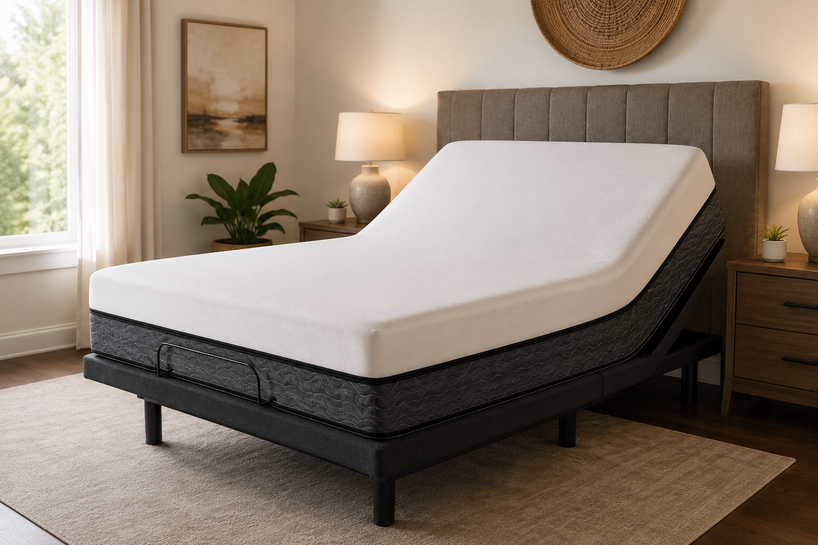
A flat mattress can feel fine at first. Then one bad night can show you its limits fast. Adjustable air beds give you more control because you can change the firmness and the bed position.
That helps when your back feels tight. It also helps when your partner wants a different feel. Your body does not sleep the same way every night, so your bed should not trap you in one setup.
Air Bed Bargains offers adjustable air beds built for real comfort. You can raise your head, lift your legs, save your favorite settings, and choose the feel that fits you best. The right setup can make your bed feel less like a guess and more like something you control.
Here’s why pairing your air bed with an adjustable foundation makes such a big difference.
Table of Contents
Firmness and Position Work Together
Pressure Relief Gets More Precise
Couples Get Their Own Comfort Zones
Split-Top Comfort Keeps the Bed Shared
Head Elevation Beats Pillow Stacking
Leg Lift Changes Lower-Body Comfort
Zero Gravity Creates a Balanced Rest Position
Anti-Snore Positioning Adds Another Option
Memory Settings Save the Best Setup
Quiet Controls Matter at Night
Firmness and Position Work Together
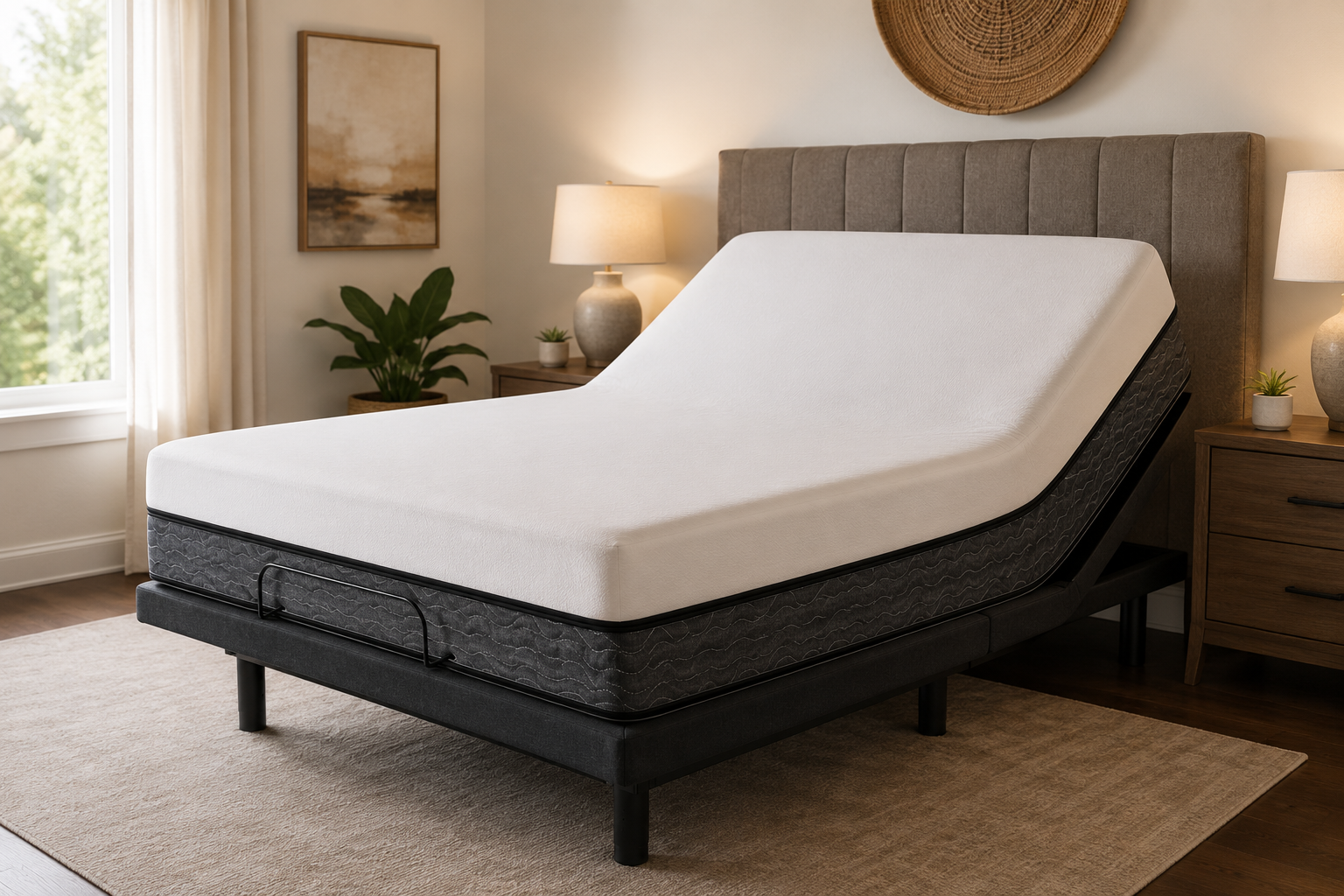
A flat mattress can make comfort feel like a guessing game. The best air beds help you choose how soft or firm your bed feels. An adjustable air bed foundation helps you raise your head, back, or legs. That gives your body more ways to rest.
You should not have to stack pillows or settle for one stiff sleep position. A softer feel can ease pressure, while a better angle can help your body feel more supported. That is why buying an air bed and adjustable foundation from Air Bed Bargains makes sense.
Read on to see how firmness and position work together for better sleep.
Key Takeaways
- Firmness helps your body feel supported, but position helps your body rest in a way that feels more natural.
- A softer mattress can still feel steady when the base supports your back, hips, and legs at the right angle.
- A firmer bed can feel less stiff when you are not stuck lying flat all night.
Firmness Handles Pressure, Position Handles Posture
Pressure builds quickly when your mattress doesn't match your body. Firmness helps control how much the bed gives under your shoulders, hips, and lower back. With an adjustable air bed, you can soften or firm the feel so those heavy spots don't take all the force.
Posture matters just as much as pressure. Your body may feel better when your head is raised, your legs are lifted, or your back is better supported. An adjustable foundation helps your body rest in a better position, rather than staying flat all night.
Real comfort comes from using both controls together. The mattress helps relieve pressure, while the base helps maintain proper body position. Air Bed Bargains makes that kind of comfort easier by allowing your bed to adjust to your body's needs.
Soft Does Not Have to Mean Unsupportive
Soft sleep should feel cozy, not weak. A softer air bed setting can take pressure off your shoulders, hips, and lower back. Your body can feel cushioned without sinking too far into the mattress.
The base can help keep your body in a better spot. Raising your head, back, or legs can make your sleep position feel more natural. This helps you enjoy a soft feel while still getting steady support.
Comfort works best when the mattress and base work together. The mattress gives your body the cushion it needs. The base helps your body rest more evenly.
Can an Adjustable Base Make an Air Bed More Comfortable?
Yes, an adjustable base can make an air bed more comfortable by giving you more ways to find relief. Firmness controls how the mattress feels under your body. The base changes how your head, back, and legs rest.
Some comfort problems need more than a softer or firmer setting. Raising part of the bed can ease the strain of lying flat all night. That extra control helps your air bed feel more personal, more steady, and easier to enjoy.
Firm Does Not Have to Feel Flat
A firmer air bed can give your body strong support, but a flat base can make that support feel stiff. An adjustable foundation helps shape the bed to how your body rests, so firm comfort feels more useful and less rigid.
Better Back Support Without the Stiff Feel
A flat firm bed can leave small gaps under your lower back. Those gaps may keep your muscles tight while you sleep. Raising your head or legs can help your back settle into a more natural position.
Less Pressure Around the Hips
Firm support can feel steady, but your hips may feel locked in when the bed stays flat. A small leg lift can help ease the pull on your lower body. This makes a firm setting feel more balanced instead of hard.
More Comfort Without Losing Stability
A firm mattress should help your body rest, not make it tense. An adjustable base lets you change the angle until your body feels more at ease. That simple shift can make firm sleep feel smoother and more relaxed.
Different Body Zones Need Different Help
Sleep feels harder when every part of your body gets the same kind of support. Your shoulders may need a softer feel, while your hips may need more lift. Your spine needs steady help so it can rest without extra strain.
Each air bed setting changes how the mattress feels under pressure points. An adjustable base changes how your head, back, and legs line up. When these two parts work together, your body is more likely to relax in the right places.
Small shifts can make a big difference across the whole body. A little more cushion may help with sore shoulders, while a raised leg position may ease lower-body tension. This gives each area the support it needs, rather than forcing your body to settle for a single flat setup.
Nightly Comfort Is Not Always the Same
Sleep needs can change after a long day, a sore back, or a restless night. An air bed lets you change the firmness when your body wants a softer or firmer feel. An adjustable foundation lets you adjust the bed angle so that lying flat doesn't feel right.
One night, your shoulders may need more cushion from the air bed. Another night, your legs may feel better with a slight lift from the adjustable foundation. Having both options gives you more control without changing your whole bed.
This setup helps your bed match how your body feels each night. The air bed adjusts the pressure under you, while the foundation adjusts your resting position. Together, they make comfort feel less fixed and more personal.
Better Control Reduces Guesswork
A standard mattress can make comfort feel like a gamble. You get one surface, one flat position, and very little room to adjust when your body feels different. An air bed with an adjustable foundation gives you more control before you add pillows or shop for a new mattress.
The right setup makes comfort easier to find:
- Firmness Can Be Changed First: An air bed lets you adjust how soft or firm the mattress feels under your body. This helps you test pressure relief without changing the bed angle right away.
- Position Can Be Adjusted Separately: An adjustable foundation lets you raise your head, back, or legs when lying flat feels uncomfortable. This helps you find a better rest position without changing the mattress's firmness.
- Small Changes Are Easier To Notice: Changing one setting at a time helps you learn what your body needs. You can tell whether pressure, posture, or both are causing the discomfort.
- Extra Pillows Become Less Important: Pillows can slide, bunch up, or create uneven support during the night. An adjustable foundation gives your body a steadier angle that stays in place.
Better control helps your bed feel less like a fixed surface and more like a setup made for real nightly comfort.
Pillows Should Not Do All the Work
Stacked pillows can seem like a quick fix, but they rarely stay where you need them. They can slide, flatten, or lift your body at the wrong angle. That can leave your neck, back, or knees feeling worse by morning.
An adjustable foundation gives your body a steadier way to rest. It can raise your head or legs without creating lumpy support under you. Your position stays more even because the base does the lifting.
Your air bed still handles the feel underneath your body. You can set the firmness for pressure relief while the foundation supports your posture. Together, they do the job better than a pile of pillows ever could.
A More Complete Sleep Setup
A good bed should do more than feel soft or firm. Some nights, your body needs more cushion under sore spots. Other nights, the bigger issue is how flat your body feels when your back, hips, or legs want a better angle.
That is where an air bed and adjustable foundation feel different from a standard mattress. The air bed changes the feel under you, while the foundation changes the way your body rests. Instead of fighting the bed, you can shape it around what feels right that night.
This makes comfort feel less like trial and error. You are not stuck piling up pillows, guessing at firmness, or accepting one flat position. You get a sleep setup that works with your body, so rest feels easier, steadier, and more natural.
Better Sleep Starts With the Best Air Beds
Good sleep should not feel like trial and error. The right setup lets you change the feel of your mattress and the angle of your body, so you can rest in a way that feels more natural. Air Bed Bargains makes that easier with air beds and adjustable foundations that work together for better comfort.
Next, see how better pressure relief can help sore spots feel less stressed.
Pressure Relief Gets More Precise
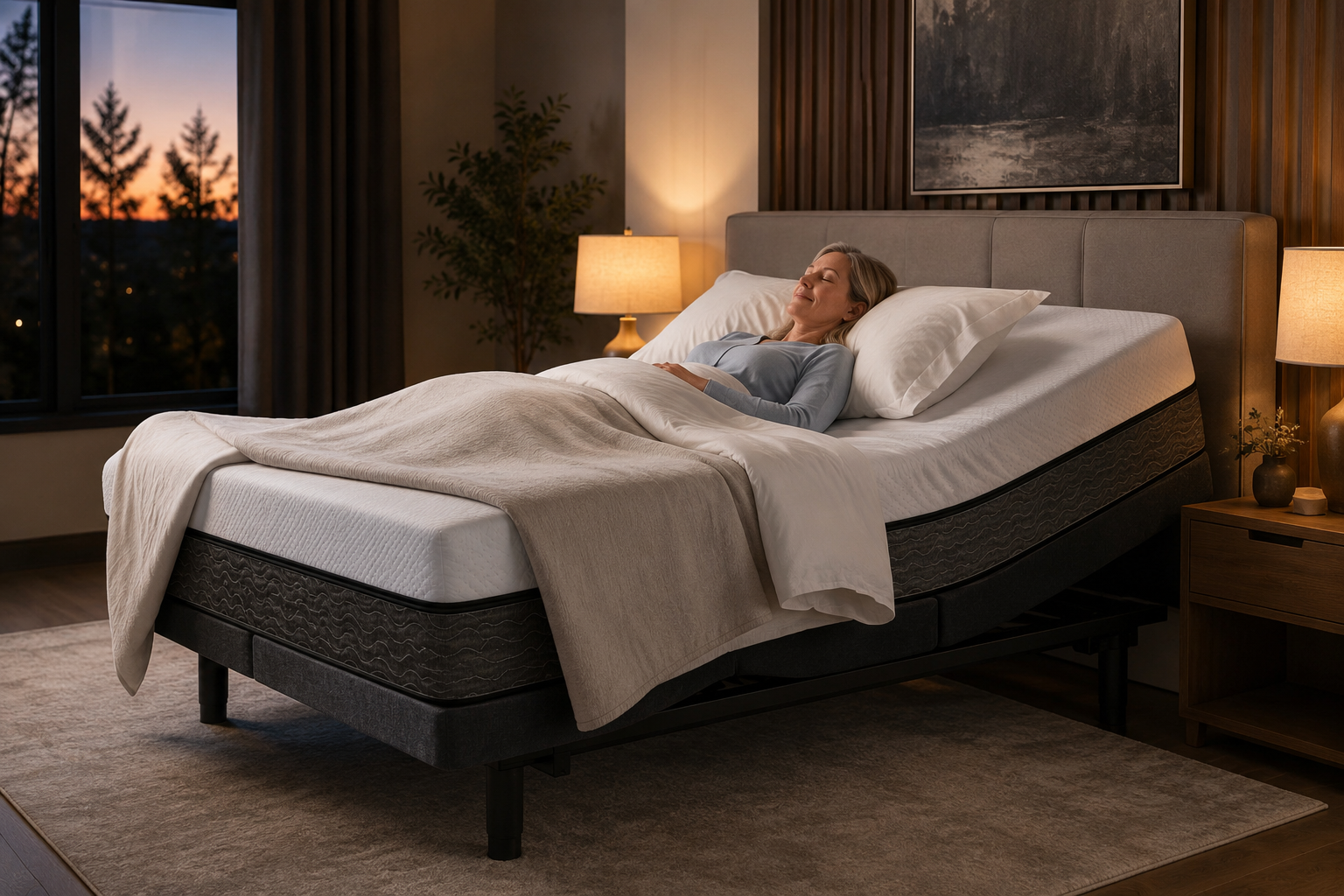
Pressure relief should feel personal, not random. Shoppers comparing airbeds for sale often want a sleep setup that can adjust as their body needs change. Air Bed Bargains makes that easier with air beds that pair well with adjustable foundations.
Firmness control helps shape the feel of the mattress, while an adjustable base changes how the body rests on it. Together, they can help spread the weight more evenly, so one sore spot does not take the full load all night. Better comfort starts when the bed works with the sleeper rather than forcing the sleeper to work around it.
Keep reading to see how this pairing helps make pressure relief more exact and more personal.
Key Takeaways
- Pressure relief works better when firmness and body angle can change together.
- Small adjustments to the bed can help ease pressure on the shoulders, hips, lower back, knees, calves, and heels.
- A sleep setup with more control can match how the body feels each night, not just how it felt in the store.
Firmness Can Match Each Sleeper’s Weight
Body weight affects how an air bed feels, so one firmness level will not work the same for every sleeper. When firmness and bed angle can both change, the mattress can respond in a more personal way.
Lighter Bodies Need Enough Give
A lighter sleeper may rest more on the surface of the mattress rather than sinking in. That can leave the shoulders and hips feeling like they are pressing against the surface. A softer air setting helps the bed give more, so pressure can spread out more evenly.
Heavier Bodies Need Steady Lift
A heavier sleeper may need more support to keep the body from dipping too low. Too much sink can pull the back, hips, and legs out of a better resting line. A firmer air setting can add lift while still letting the surface feel comfortable.
Bed Angle Changes How Weight Lands
Raising the head or legs can shift pressure away from areas that feel overloaded. This can help the air bed support the body without relying solely on firmness. The result is a sleep setup that feels more balanced for the person using it.
Raised Legs Can Reduce Hip Load
Hips can feel sore when they carry too much pressure for too long. Lifting the legs with an adjustable foundation helps change where that pressure goes. Instead of the hips taking most of the load, more support can move through the thighs and lower back.
The air bed can then help fine-tune the feel under your body. A little more cushion may help the hips settle in, while a slightly firmer feel can help keep them from sinking too deeply. This makes the bed feel more balanced instead of tight around one spot.
Small changes can make sleep feel easier. A raised leg position helps your lower body rest at a better angle. The right air setting helps your hips feel held, cushioned, and less crowded by the mattress.
Can an Adjustable Air Bed Help Shoulder Pressure?
Yes, an adjustable air bed can help relieve shoulder pressure by letting you adjust the firmness and upper-body angle. Side sleepers often feel pressure when the shoulder cannot settle into the mattress. A softer air setting can give the shoulder more room without leaving the rest of the body feeling unsupported.
Good shoulder comfort also depends on how the upper body rests. A slight head lift can change how much weight presses into the shoulder. This can help the neck, shoulder, and upper back feel less jammed together.
The best part is the control. You can adjust the air bed until your shoulder feels cushioned, then raise the base a little if pressure still builds. That gives you more ways to find comfort than a flat mattress with one fixed feel.
Pressure Can Shift Off the Heels
Tired heels can make the whole lower body feel tense. When the legs stay flat, the same small area can press into the mattress for hours. A gentle lift from an adjustable foundation helps move some of that pressure into the calves and thighs.
The air bed helps make that new position feel more natural. A softer setting can add cushion under the legs, while a firmer setting can keep the lower body from dipping too much. This helps the support feel even instead of strange or forced.
Relief should feel simple, not like another problem to fix. With the right leg angle and air setting, the heels do not have to carry so much weight through the night. Your lower body can rest with less pressure in one spot.
Lower Back Relief Gets More Targeted
Lower back comfort can change quickly when the middle of the body feels unsupported. If the hips sink too low, the spine can feel pulled out of place. An air bed and adjustable foundation help fine-tune that support so pressure does not stay trapped in one sore spot.
Here is how this setup can help the lower back rest with less strain:
- Center Support Feels More Controlled: The air bed can be adjusted so the middle of the mattress feels steadier under the hips and waist. This helps keep the lower back from dipping too far into the sleep surface.
- Knee Lift Can Ease Pull: An adjustable foundation can raise the knees into a softer bend. This can help reduce the tight, stretched feeling that happens when the legs stay flat all night.
- Pressure Spreads Across More Area: Better positioning helps move some pressure away from the lower back. The hips, thighs, and legs can share more of the load, so one small area does not take it all.
- Small Changes Are Easier To Test: A slight change in firmness or a small knee lift can make a clear difference. This helps sleepers adjust the bed with more care instead of guessing what their back needs.
Lower back relief feels more personal when the mattress and foundation can both be adjusted around the body.
Can Air Bed Firmness Help Side Sleepers?
Yes, air bed firmness can help side sleepers because the shoulders and hips need the right amount of give. A setting that feels too firm can press hard into those spots. A setting that feels too soft can let the middle of the body dip too low.
Side sleep feels better when the body rests in a cleaner line. The right air setting can help cushion the shoulder and hip while keeping the spine more steady. A small head or leg adjustment can add extra support, so the neck, back, and hips feel less twisted.
Knee Comfort Can Improve With Better Angles
Knees can feel sore when your legs stay flat for too long. The pull can move through your calves, hips, and lower back while you sleep. An adjustable foundation can add a gentle bend, allowing your legs to rest in a more natural position.
The air bed helps support that new position. A softer setting can add cushion under the legs, while a firmer setting can keep them from sinking too much. This helps your knees feel supported without being pushed into a stiff spot.
Better knee comfort often comes from changing the angle, not just the mattress feel. When the foundation lifts your legs, and the air bed supports the surface, pressure can spread out more evenly. That gives your lower body a calmer, easier way to rest.
Sore Spots Can Be Adjusted Night by Night
Your body does not clock out when the day ends. A long ride, a hard workout, or hours of standing can leave one spot feeling more tender than usual. That sore spot may need a different kind of comfort than it needed the night before.
A regular mattress makes you work around the pain. An air bed lets you adjust the feel under your body, so sharp pressure can feel softer or weak support can feel steadier. Then the adjustable foundation can raise your head or legs, allowing your body to rest at a better angle.
This kind of setup helps you feel more in your control. You do not have to hope one fixed position works every night. You can make small changes before bed, so your body has a better chance to settle in and rest.
Couples Can Fine-Tune Different Pressure Needs
One bed can feel very different to two people. A setting that eases one sleeper’s shoulder pain may feel too soft for the other person’s back. An air bed with an adjustable foundation helps each side feel more matched to the person using it.
One Side Can Feel Softer Without Changing the Other
A side sleeper may need more cushion where the shoulder presses down. With split firmness control, that side can feel softer without making the whole bed feel loose. This helps one person get pressure relief without taking support away from the other.
Support Can Match Each Person’s Sleep Style
Back sleepers and side sleepers often need different levels of lift. One person may need firmer support near the hips, while the other needs more give near the upper body. Separate air settings help both sleepers rest without meeting in the middle on a feel that works for neither.
Bed Position Adds Another Layer of Comfort
Firmness solves part of the pressure problem, but body angle matters too. An adjustable foundation can help raise the head, back, or legs so each sleeper can rest in a more comfortable position. That makes the bed feel less like a compromise and more like a setup made for two real bodies.
It’s Time to Invest in a New Air Bed
Pressure relief gets easier when the bed can adjust to the body instead of forcing the body to adjust to the bed. An air bed with an adjustable foundation helps change firmness, position, and weight balance, which can make sore spots feel less demanding. Air Bed Bargains gives sleepers a smarter way to build comfort that feels personal, not patched together.
Coming up, see how couples can share one bed without giving up their own comfort zone.
Couples Get Their Own Comfort Zones
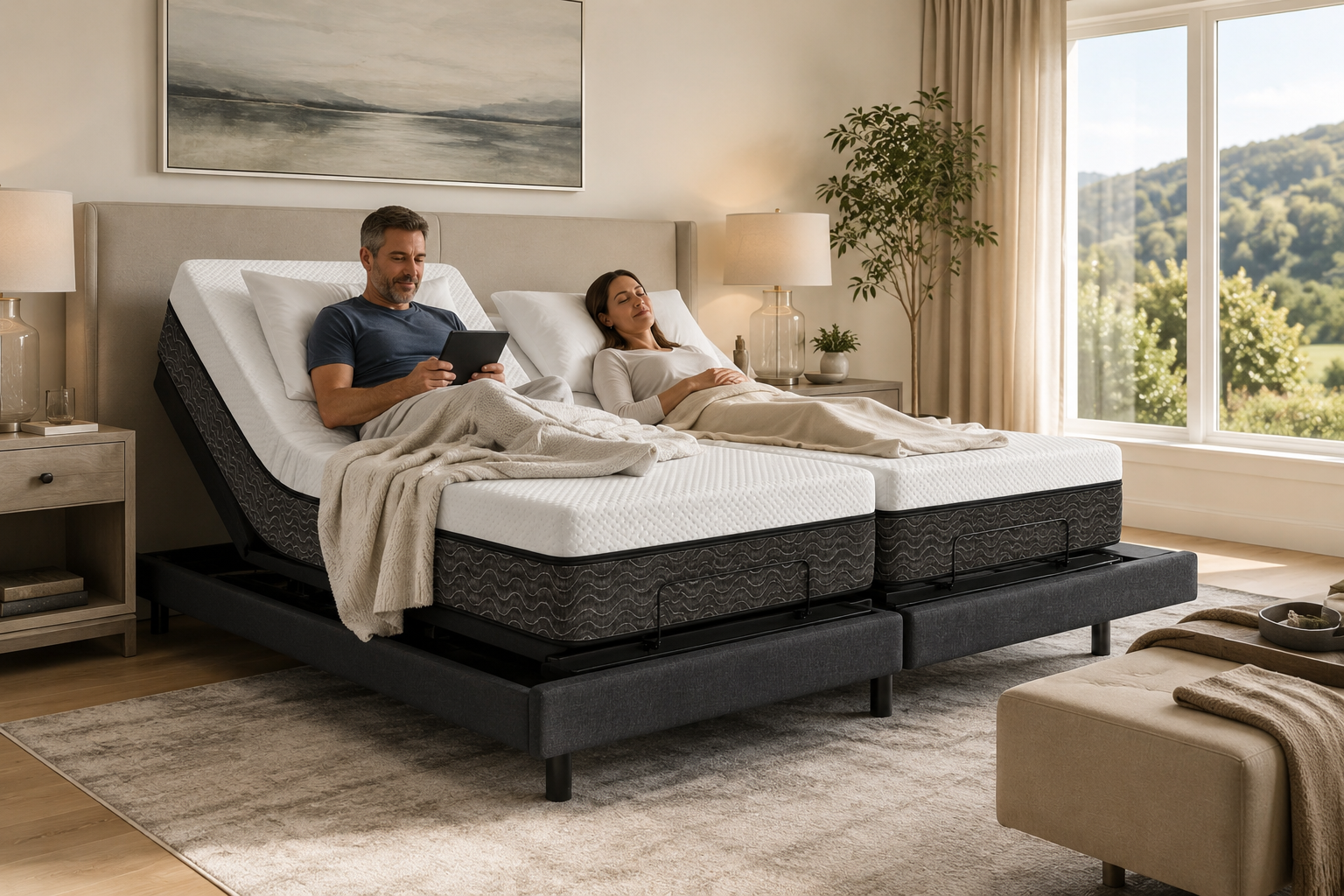
Sharing a bed should feel fair, not like one person always has to give in. Adjustable air beds help couples create separate comfort zones without needing separate beds. Air Bed Bargains gives couples a smarter way to rest together while still getting the support each body needs.
One sleeper may want a firmer feel, while the other may need more softness and lift. An adjustable foundation adds more control because bed position can matter just as much as mattress feel. Couples can stop treating comfort like a debate and start making the bed work for both people.
Here are the ways couples can use their own comfort zones to sleep better in the same bed.
Key Takeaways
- Couples can share one bed without forcing one person to live with the wrong firmness.
- Adjustable comfort helps each sleeper support their own body, sleep style, and sore spots.
- A better bed setup can reduce restless nights, comfort fights, and the need to replace the whole mattress.
Comfort Can Change Without Replacing the Bed
Sleep needs can shift over time. Bodies may feel different after weight changes, pregnancy, sore backs, stress, or new sleep habits. A fixed mattress can leave couples stuck with a feel that no longer works.
Each partner can adjust an air bed without having to replace the entire setup. One side may need a firmer feel for more support. The other side may need extra softness for sore spots.
An adjustable foundation gives couples even more control. Raising the head or legs can help when lying flat feels uncomfortable. This helps the same bed keep up as life and comfort needs change.
Sleep Position Gets Treated Differently
Different sleep styles need different support. Someone who sleeps on their back may feel better with steady lift under the spine. Someone who sleeps on their side may need more softness near the shoulder and hip.
A dual-zone air bed keeps those needs separate. Each person can set their own side instead of sharing a single mattress. That helps both sleepers rest in ways that fit their bodies.
The adjustable foundation adds more comfort control. One partner can raise the upper body to make it easier to rest. The other can lift the legs to ease pressure through the lower body.
Different Pain Points Can Be Handled at Once
One bed can hold two very different kinds of tired. After a long day on their feet, one partner may need stronger support. Hours at a desk may leave the other wanting a softer feel around tight spots.
Regular mattresses cannot adjust to both needs at the same time. A dual-zone air bed lets each sleeper change their own side. Each person gets a setup that feels closer to what their body needs that night.
Adjustable foundations add even more relief. Leg lift can help tired muscles feel less strained. Upper body lift can help the neck, back, and shoulders settle into a more comfortable position.
Movement Has Fewer Reasons To Start
Restless sleep often begins before a person even knows they are moving. When a dual-zone air bed and adjustable foundation help each partner find a better fit, the body has fewer reasons to keep searching for comfort.
Better Support Can Calm the Body
A sleeper may toss and turn when the mattress feels too soft, too firm, or uneven under pressure points. Setting the right firmness on each side can help the body feel more settled. That steadier support can make it easier to stay in one comfortable position longer.
Position Changes Can Reduce Nighttime Shifting
Flat sleep can make some people keep moving because the back, legs, or shoulders never feel fully at ease. An adjustable foundation helps change the body angle before discomfort builds. A small lift can make the bed feel more natural, which may cut down on the need to keep rolling around.
Partners Feel Less Disturbed
Every shift can travel through the bed and bother the other sleeper. When each person has their own comfort zone, there is less pressure to keep moving, flipping, or adjusting pillows. That can help both partners rest with fewer wakeups and less frustration.
Can Couples Sleep on Different Firmness Levels?
Yes, couples can sleep on different firmness levels when an air bed has separate comfort zones. One partner can choose a firmer feel for better lower back support. The other can pick a softer setting to ease pressure near the shoulders and hips.
Shared sleep should not force both people into the same setup. A dual-zone air bed helps each side match the body using it. This gives couples a fair way to rest together without turning comfort into a nightly trade-off.
The Head and Leg Position Can Change Separately
Couples do more in bed than sleep. One partner may want the head raised for reading, resting, or easing into the night. The other may want the legs lifted after a long day of standing or walking.
An adjustable foundation makes those changes feel simple. The head and leg areas can move in different ways, so comfort is not confined to a single flat shape. This helps each person find a position that feels better for their own body.
The air bed adds the right feel under each sleeper. One side can be softer, while the other can stay firmer and more supported. Together, the mattress and foundation give couples comfort that feels more personal than mattress softness alone.
Firmness Can Match Each Sleeper’s Weight
The same mattress can feel like two different beds to two different people. A lighter sleeper may feel like the surface is too hard, while a heavier sleeper may sink more than they want. That is why shared comfort needs more than one firmness choice.
A dual-zone air bed lets each partner set their side for their own body. One side can feel softer, so the mattress gives enough cushion. The other side can feel firmer, so the sleeper gets more lift and support.
Better weight support can make the whole bed feel fairer. Each person gets a surface that works with their size instead of against it. Couples can rest in the same bed without forcing one person to deal with the wrong feel.
Pressure Relief Becomes More Targeted
Pressure does not land in the same place for every sleeper. One partner may feel it most in the hips, while the other feels it in the shoulders, knees, or lower back. A dual-zone air bed with an adjustable foundation helps each side respond to the spot that needs the most care.
The right setup can help each sleeper reduce pressure in a more personal way:
- Hip Comfort Can Feel More Balanced: One sleeper can soften their side, allowing the hips to settle without sharp pressure. A small leg lift can also help spread weight through the thighs and lower back.
- Shoulder Pressure Gets More Room: Side sleepers often need extra give near the shoulder. A softer air setting with a slight upper body lift can help the shoulder rest without feeling jammed.
- Lower Back Support Can Be Fine-Tuned: A firmer setting can help keep the middle of the body from dipping too low. Raising the knees can also help the lower back rest with less strain.
- Knees and Legs Can Rest Easier: Some sleepers feel tension when the legs stay flat all night. An adjustable foundation can add a gentle bend while the air bed supports the legs underneath.
Targeted pressure relief helps each partner get comfort where it matters most, without forcing both sides of the bed to feel the same.
Bedtime Habits Do Not Have To Match
Couples do not always wind down the same way. One person may want to sit up with a book, show, or tablet. The other may be ready to stretch out and relax with less movement.
An adjustable foundation helps the same bed work for both routines. One side can lift for sitting, while the other can stay in a calmer rest position. That makes bedtime feel less like a compromise.
Different habits should not turn into a nightly problem. With the right setup, each partner can settle in the way that feels best. The bed supports both routines without making one person give up comfort.
Better Sleep Starts With Shared Control in Adjustable Air Beds
Couples should not have to pick one comfort setting and hope both people can live with it. Air Bed Bargains helps make shared sleep feel more balanced by giving each person more control over firmness, support, and position. When both sleepers can adjust their own side, the bed becomes less of a compromise and more of a setup that actually works.
In the next section, see how split-top comfort keeps the bed shared while still giving each sleeper more personal control.
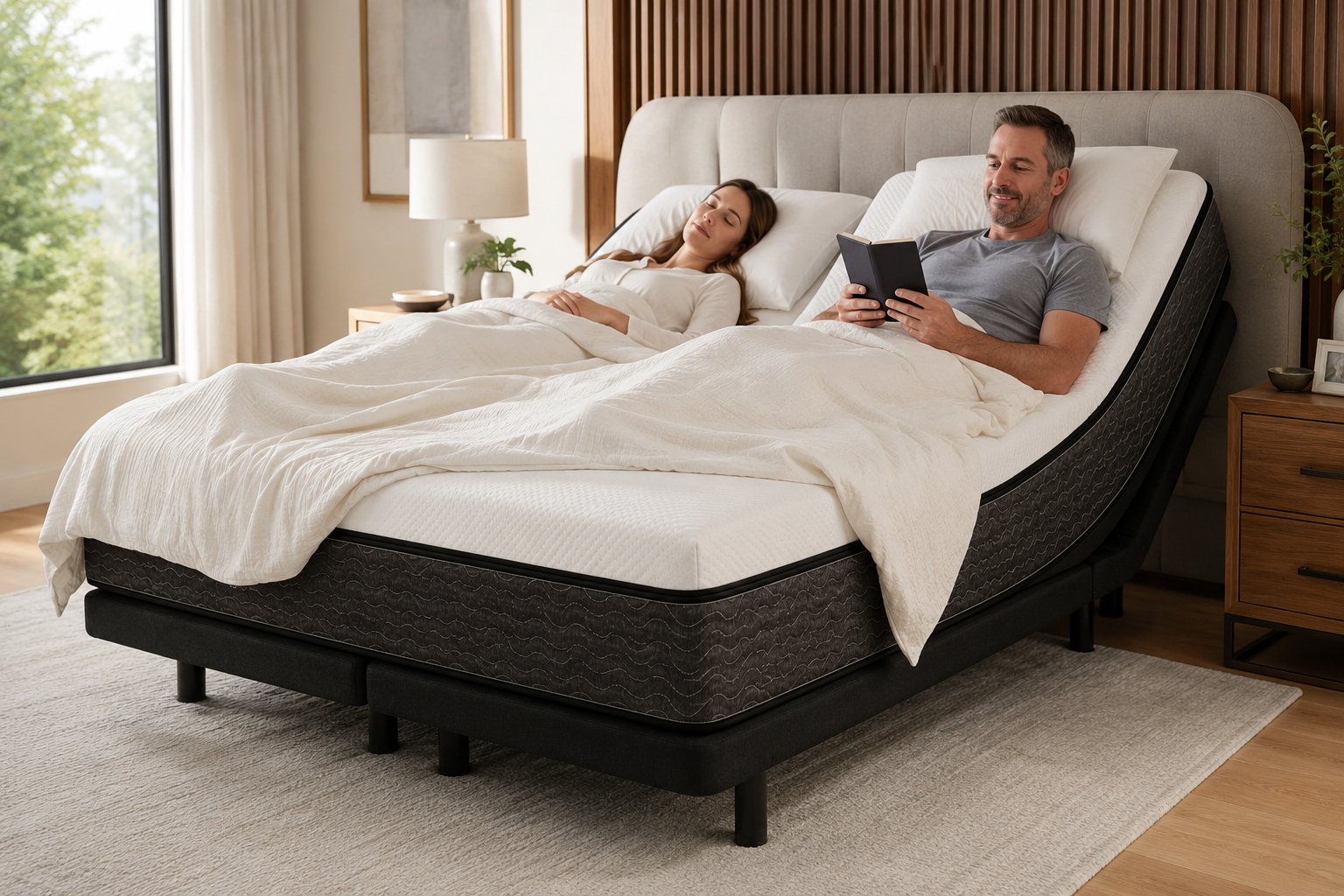
Split-Top Comfort Keeps the Bed Shared
Sharing a bed can get tricky when two people relax in very different ways. The best air beds help couples keep comfort personal without splitting the bed. Air Bed Bargains makes that balance easier with options built for real sleep habits, not perfect showroom routines.
A split-top design gives each sleeper more control over the upper body area while the lower part of the bed stays shared. One person can sit up, wind down, or rest at an angle while the other stays flatter and settled. The result feels more practical than flashy, which is exactly what many couples need.
Below, you’ll see how split-top comfort lets couples share one bed without sacrificing personal comfort.
Key Takeaways
- A split-top design lets couples share one bed without forcing both to sleep in the same position.
- Personal head adjustment can make reading, watching TV, and winding down feel easier without bothering the other sleeper.
- The shared lower section helps the bed feel connected, so comfort stays personal without making the mattress feel divided.
One Bed, Two Evening Routines
Evening routines rarely match up perfectly, which can make bedtime feel harder than it should. A split-top air bed gives each person more freedom at the top of the mattress. One sleeper can sit up with a book or show while the other stays flat and relaxed.
This setup helps the bed feel calm instead of crowded. Someone can scroll, watch TV, or slowly settle in without pulling the other person into the same position. Both people get room to end the day in the way that feels right.
Couples do not need the same sleep style to share one comfortable bed. The split-top design keeps the lower part connected, so the bed still feels shared. That small difference can make bedtime feel smoother, quieter, and much easier to enjoy.
Why Should I Choose a Split-Top Air Bed?
A split-top air bed is a strong choice because it lets both people rest their own way while still sharing one bed. Each sleeper can adjust the head area without moving the whole mattress. The bottom stays connected, so the bed still feels close and steady.
This design works well for couples who want comfort without a full split down the middle. One person can sit up while the other stays flat, which makes bedtime feel less frustrating. Air Bed Bargains gives couples a simple way to keep personal comfort without losing the shared feel of the bed.
A Shared Foot Area Feels More Natural
Sharing a bed feels better when the mattress still feels like one space. A connected lower section helps couples stretch out, turn over, and rest close without a full split between them. The bed feels more natural because the divide does not run all the way down.
This small design choice can make a big difference at night. Each person can adjust the upper part of the bed, while the foot area stays steady and shared. That helps the mattress feel less broken up and more comfortable for daily use.
Couples should not have to choose between personal comfort and a bed that feels connected. A split-top air bed gives each sleeper more control near the head while keeping the lower half together. That balance makes the bed feel easier to share, night after night.
Less Pillow Stacking at Night
Pillow piles can feel helpful at first, but they often shift, flatten, or slide out of place. A split-top air bed gives couples a cleaner way to sit up, relax, and settle in without rebuilding support every night.
Steadier Support for the Upper Body
Raised bed support feels more stable than a stack of loose pillows. The angle comes from the mattress, so the back and shoulders have a firmer surface to rest on. That can make reading or watching TV feel easier because the body is not sinking into gaps.
Less Adjusting Before Sleep
Pillow stacking can turn bedtime into a small chore. One pillow moves, another slips, and the whole setup needs fixing again. With a split-top design, each person can raise their side and get comfortable faster.
A Cleaner, Calmer Bed Setup
Extra pillows can crowd the bed and make the sleep space feel messy. A split-top air bed helps keep the mattress simple while still giving each sleeper more control. The bed feels easier to use because comfort comes from the design, not from a pile of pillows.
Can Couples Share an Adjustable Air Bed?
Yes, couples can share an adjustable air bed more comfortably when it has a split-top design. Each sleeper gets control near the head of the bed without making the whole mattress move. That makes it easier for two people to relax in different ways while still sharing one sleep space.
This helps solve the common bedtime problem where one person wants to sit up, and the other wants to stay flat. The bed can support both needs without turning comfort into a fight. Air Bed Bargains makes this kind of setup feel simple, practical, and built for real couples.
Better Comfort Without Separate Beds
Some couples sleep better in different positions, yet still want a shared bed. A split-top air bed makes that easier by giving each person control near the head and upper body. One sleeper can sit up or rest at an angle while the other stays flat and settled.
The connected lower section helps the mattress feel whole instead of split apart. That means couples can enjoy more personal comfort without losing the closeness of one bed. It is a simple way to make bedtime feel smoother for both people.
Small Adjustments Prevent Big Annoyances
Minor comfort needs can cause real tension when the whole bed has to move. One sleeper may want a small lift under the upper body, while the other wants to stay flat. A split-top air bed keeps that change on one side, so both people can stay comfortable.
Quiet control makes a big difference during the night. Each person can adjust their head position without disturbing the other sleeper. That helps bedtime feel more peaceful and less like a shared negotiation.
Simple changes should not turn into a problem for both people. Independent head adjustment lets each sleeper respond to what their body needs in the moment. The bed becomes easier to share because comfort stays personal without creating extra movement.
Comfort That Still Feels Close
A bed can feel too divided when the split runs from top to bottom. A split-top air bed gives each person more control near the head while keeping the rest of the mattress connected. That balance helps couples rest their own way without losing the closeness of a shared bed.
The right split-top setup can make closeness feel easier without forcing both sleepers into the same position:
- Personal space without distance: Each sleeper can raise or lower their side at the top of the bed. The lower section stays together, so the mattress does not feel like two separate beds pushed together.
- Less tension during wind-down time: One person can sit up to read, watch TV, or relax while the other stays flat. This keeps different routines from turning into small bedtime fights.
- A more natural shared feel: The connected lower area helps couples shift, stretch, and rest close without feeling a hard divide through the whole bed. That makes the mattress feel more like a shared space instead of a split setup.
- Comfort that fits real couples: Many partners do not relax, rest, or fall asleep in the same way. A split-top design gives both people room to be comfortable while still keeping the bed centered on togetherness.
This kind of comfort helps couples keep the best parts of sharing a bed while making room for different sleep needs.
A Better Fix for Nighttime Restlessness
Restless nights often start with one small comfort problem that will not go away. One sleeper may need a better angle for their head, neck, or upper body. A split-top air bed makes that easier without having to shift the whole bed.
Instead of tossing around or stacking pillows again, that person can adjust their side of the bed. The change stays near their own upper body, so the other sleeper can stay relaxed. That helps keep the night calmer for both people.
Better rest can come from a simple change that fits the moment. A small lift may help one person settle faster and move less. The bed feels easier to share because comfort problems do not have to take over the whole night.
Shared Comfort Feels Smarter With the Best Air Beds
A split-top design gives couples more control without making the bed feel cut in half. Air Bed Bargains helps make that balance easier with options that support personal comfort and a shared sleep space. The right bed should not turn comfort into a nightly debate.
Keep reading to see why smooth head elevation can beat the old pillow-stacking routine fast.
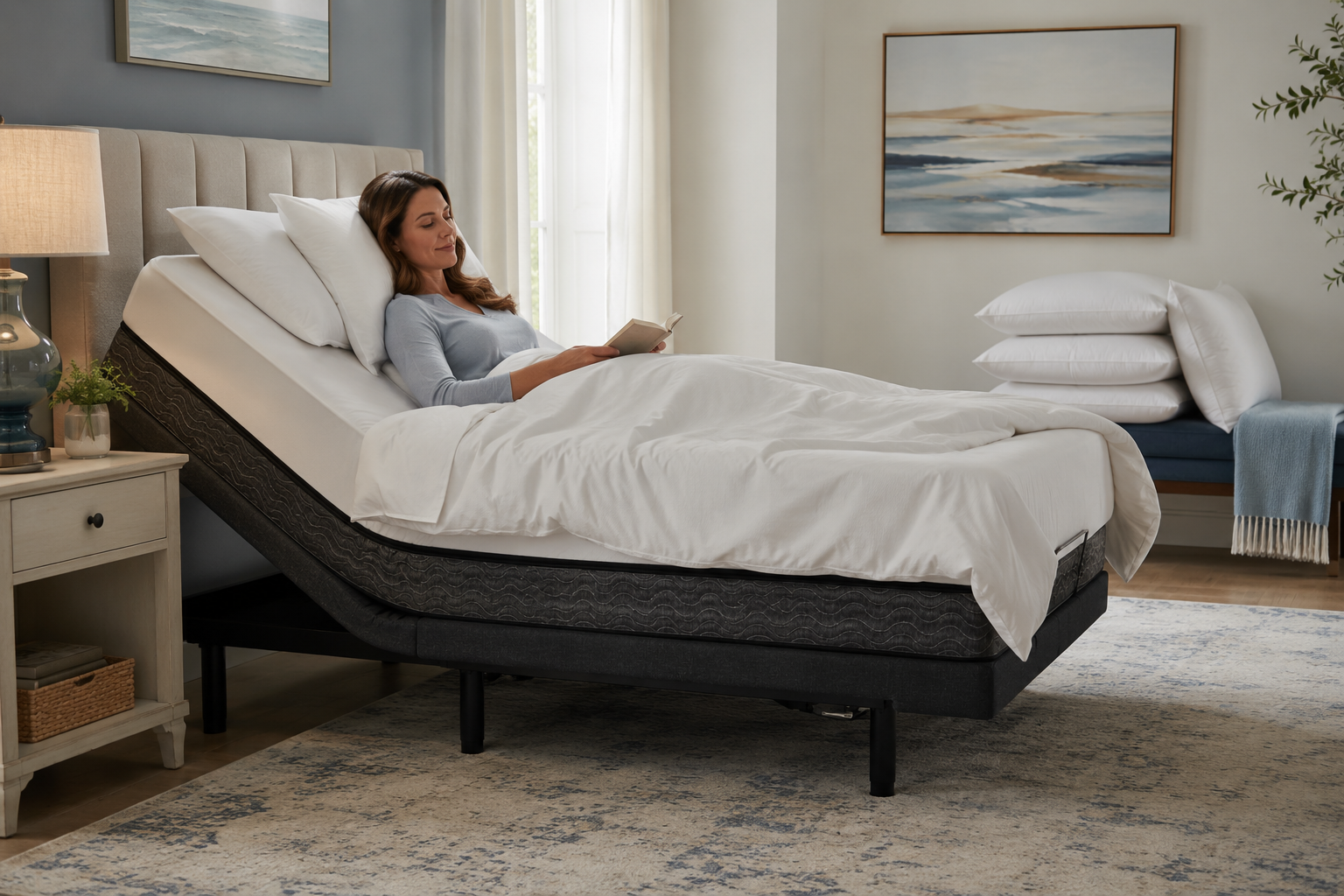
Head Elevation Beats Pillow Stacking
Pillow stacking seems smart until the stack starts working against you. Head elevation beats pillow stacking because a raised base gives the body a cleaner, steadier lift. A better setup can help the bed feel more supportive without turning comfort into a nightly guessing game.
A raised foundation can help the upper body rest at a more comfortable angle, reducing the need for constant pillow-shuffling. Air Bed Bargains makes that kind of comfort easier with adjustable air beds built for better control. Better rest should feel simple, not like a small construction project before bed.
Read on to see why a raised base can give your air bed a stronger comfort advantage.
Key Takeaways
- Pillow stacks can shift, flatten, and leave your body bent in the wrong places.
- A raised foundation gives your upper body a smoother lift with less pillow fixing.
- Air bed firmness control helps the raised position feel steady, not stiff.
Pillow Stacks Create a Sagging Slope
Pillow stacks can turn comfort into a trap by lifting the head without providing steady support for the entire upper body. An adjustable foundation gives the body a cleaner rise, so the angle feels smoother and easier to stay in.
Your Neck Takes the First Hit
A tall pillow stack can push the head forward too much. That puts the neck in a bent position instead of letting it rest in line with the upper body. After a while, that “comfortable” pile can start to feel tight, stiff, or awkward.
The Base Does the Lifting for You
An adjustable foundation lifts the mattress area under the upper body instead of forcing pillows to do all the work. This helps the back, shoulders, neck, and head move together at a steadier angle. The result feels less like a quick fix and more like real support.
Your Shoulders Lose Support Fast
Pillows do not maintain their shape the same way throughout the night. As they flatten, the shoulders can sink into gaps while the head stays raised. That uneven support can make it harder to stay settled in one position.
Why Does My Neck Hurt After Sleeping on Stacked Pillows?
Neck pain after sleeping on stacked pillows often happens because your head sits higher than the rest of your upper body. That bend can strain your neck while you sleep. On an air bed, this can feel even more noticeable if the pillow stack shifts while the mattress adjusts under you.
A raised foundation gives an air bed a smoother way to lift your head, neck, and upper body together. Your body gets support from the bed instead of a loose pile of pillows. That steadier angle can help you rest with less strain and fewer wake-ups.
The Support Starts Under the Mattress
Better rest starts when the bed supports more than your head. A stack of pillows can bunch up behind your neck and shoulders, making your body feel folded rather than relaxed. An adjustable foundation lifts the air bed itself, so the upper body gets a smoother rise.
That lift feels different because it comes from below the mattress. Your back, shoulders, neck, and head can follow the same gentle angle. The body gets a raised surface instead of a soft pile that keeps shifting.
This setup can make an air bed feel easier to use for real nighttime habits. Reading, watching TV, or resting upright feels steadier when the mattress shape does more of the work. Comfort feels less forced because the support comes from the bed, not from pillows stacked behind you.
Firmness Control Makes the Incline Work Better
A raised bed should feel supported, not stiff like a board. When the head of the bed lifts, the mattress needs to adjust with your body. An air bed helps because you can change the firmness until the angle feels more natural.
That extra control matters for your back, shoulders, and hips. A setting that feels good when the bed is flat may feel too firm once the head is raised. Firmness control lets you fine-tune the feel, rather than forcing your body to settle for a single fixed surface.
This makes the incline easier to enjoy for reading, relaxing, or easing into sleep. The bed can feel lifted and steady without feeling like a hard ramp. Small firmness changes can turn a raised position into real comfort that feels built for your body.
Pillows Lose Shape Faster Than You Think
Pillow stacks have a way of lying to you at bedtime. They look full, soft, and supportive when the lights go off, but that shape rarely lasts all night. Once your body settles in, the stack can slowly sink, spread, and slide until your “perfect” angle is gone.
That is where the problem starts. Your head may drop lower than expected, your shoulders may lose support, and your upper body can end up resting in a bent position. You might fall asleep feeling propped up, then wake up wondering why your neck or back feels off.
An adjustable foundation provides a more reliable lift for an air bed because the support does not depend on the pillow fill. The frame holds the raised position, so the angle stays steadier while you rest, shift, or change positions. Instead of fixing pillows again and again, you get a setup that keeps doing its job after you fall asleep.
Sitting Up Feels Less Like a Fight
Bedtime should not feel like you are building a pillow fort just to relax. Reading, scrolling, or watching TV gets old fast when your back support keeps sliding down. A raised base gives your upper body a steady place to rest, so the bed feels ready for real life, not just sleep.
The difference shows up in the small moments that usually make sitting up in bed annoying:
- Less pillow chasing: Loose pillows can slip behind your back or fall flat when you move. A raised base keeps the support under the mattress, so you don't have to reach back to fix it.
- Better support for longer rest: Sitting up for a few minutes is easy, but staying comfortable takes steadier support. A raised base helps your back and shoulders stay lifted without forcing your neck into a cramped angle.
- A cleaner way to unwind: A pile of pillows can make the bed feel crowded before you even settle in. Raising the base gives you the angle you want while keeping the sleep space simpler and easier to use.
- More control without the hassle: Some nights call for a small lift, while others feel better with a higher angle. An adjustable base lets you change the position without rebuilding your setup from scratch.
Sitting up in bed feels much easier when the bed does the lifting, rather than a messy stack of pillows.
The Back Gets a Better Angle
A high pillow pile can trick you into thinking your whole upper body is supported. Your head may feel raised, but your lower back can still be left flat against the mattress. That mismatch can make the body feel bent in the middle.
Most of the strain comes from the way pillows lift only one small area. An adjustable foundation gives the mattress a more even rise under the upper body. Your back gets a gentler angle instead of a sharp bend near the waist.
Better support makes sitting up in bed feel less forced. The upper body can rest in a position that feels steadier for reading, watching TV, or winding down. Comfort lasts longer when the bed shape supports you instead of a shifting pillow stack.
Breathing Comfort Gets a More Stable Setup
Some sleepers feel more at ease when their upper body is raised. The problem is that pillow stacks can shift and make that angle uneven. A steadier incline gives the chest and upper body a more open place to rest.
A raised base helps the position feel more controlled than a pile of soft pillows. The upper body can stay lifted without sinking into gaps or sliding down through the night. That makes the setup feel calmer and easier to keep.
An air bed adds another layer of control because firmness can be adjusted with the raised position. A softer setting may feel too low, while a firmer setting may feel too stiff. Small changes help the sleeper find a better balance between lift, support, and comfort.
Repeatable Comfort Beats Bedtime Guesswork
Pillow stacking can make bedtime feel like a trial-and-error process because the pile never lands the same way twice. An adjustable foundation gives the sleeper a clearer way back to the angle that already feels right.
The Same Angle Is Easier to Find Again
A good sleep position should not depend on how neatly the pillows stack that night. With a raised base, the lift comes from the bed itself, so the sleeper can return to a familiar setup with less effort. That makes the whole routine feel more reliable before sleep even starts.
Firmness Gives the Incline More Purpose
Air bed firmness control helps the raised position feel better matched to the body. Once the upper body is lifted, the sleeper can adjust the mattress feel under the back, shoulders, and hips. That matters because the same angle can feel too stiff or too soft without the right firmness.
The Bed Starts Doing the Work
Pillow stacks shift as soon as body weight, movement, or heat changes the setup. An adjustable foundation keeps the lift steadier, while the air bed adds control over how firm the surface feels. Comfort is easier to maintain because the bed is built to adjust, rather than being rebuilt every night.
You Need to Invest in a New Air Bed Today!
Pillow stacks can make comfort feel like a setup you have to rebuild every night. Head elevation gives the upper body a smoother, steadier lift, especially when paired with an air bed that lets you adjust the feel under your body. Air Bed Bargains helps sleepers move past the pillow pile and choose a bed setup that feels more controlled, supported, and easy to use.
The next section shows how lifting the legs can change the way your lower body feels, and it may make you rethink how much support your bed should offer.
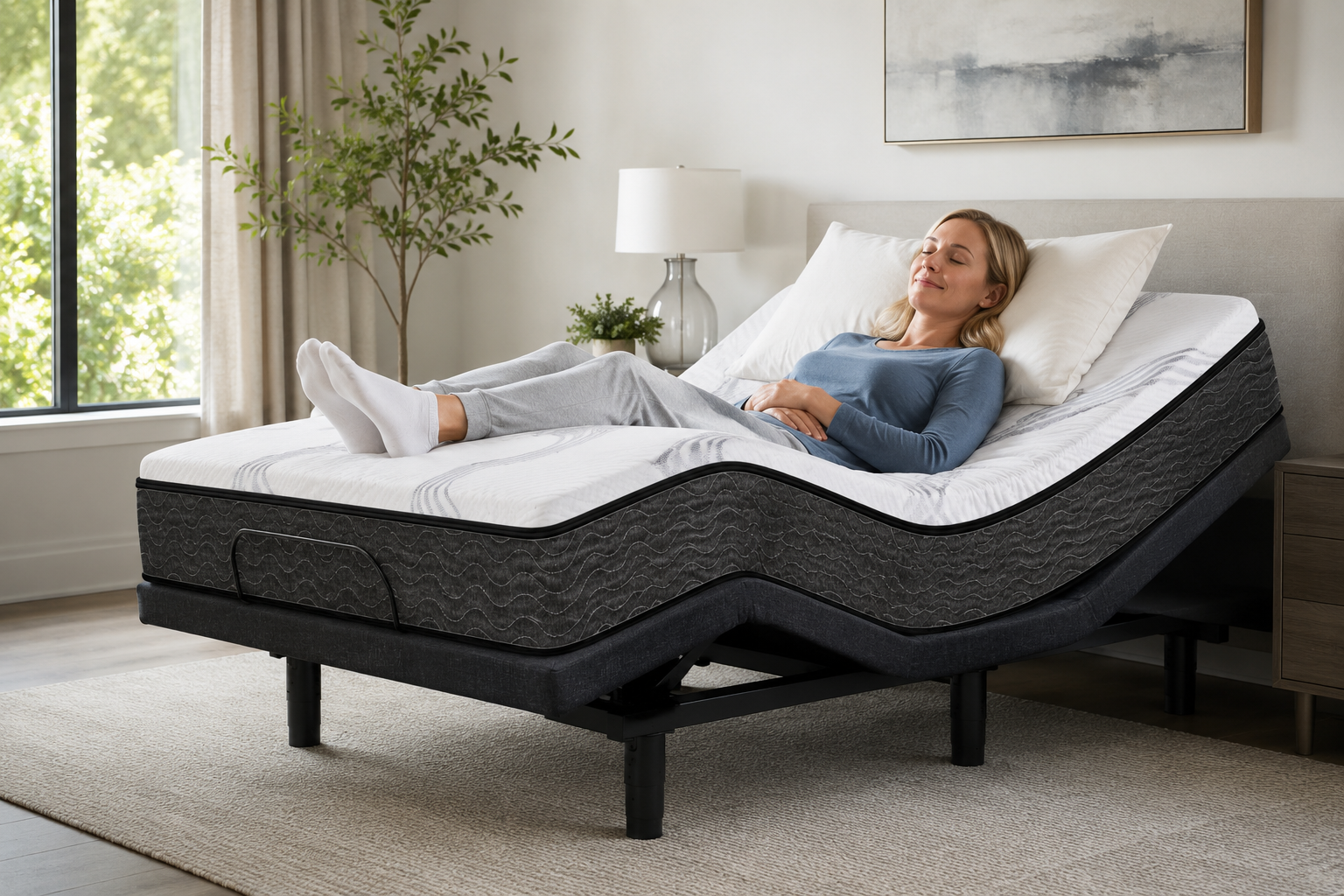
Leg Lift Changes Lower-Body Comfort
A leg lift can change how your whole lower body feels in bed. When paired with the best air beds, an adjustable foundation gives sleepers more control over comfort, support, and rest. Air Bed Bargains makes that kind of setup easier to bring into the bedroom without turning sleep into a guessing game.
Pillows can only do so much before they shift, flatten, or create odd angles. A raised leg position feels more useful when the mattress and base work together rather than fight each other. Better lower-body comfort often starts with a smarter sleep position, not another quick fix.
Read on to see how leg lift can make rest feel more stable, balanced, and comfortable.
Key Takeaways
- Leg lift can change how your lower body rests, not just how high your feet sit.
- A steady raised position gives your heels, calves, knees, hips, and lower back a better chance to relax.
- An air bed and adjustable foundation work together to make leg support feel more controlled, balanced, and less thrown together.
Why Does Raising Your Legs Feel Better in Bed?
Raising your legs often feels better because it helps spread pressure across a wider area of your lower body. Instead of letting your heels, calves, hips, and lower back carry the load in a single flat position, the incline offers them a different way to rest. On air beds, this can feel even better because firmness can be adjusted to match the raised position.
That change can make your lower body feel less pinned down at night. Your legs get steadier support, and your lower back may feel less pulled into a tight flat position. A raised leg setup helps the bed feel more balanced, more controlled, and easier to settle into.
Pressure Moves Away from the Heels
Heel pressure can sneak up on you when an air bed stays flat all night. The same small spots can press into the mattress for hours, which may leave your heels feeling sore or tender. When that air bed is paired with an adjustable foundation, a leg lift helps shift pressure away from the heels.
That raised position allows the lower body to rest more comfortably. The calves and legs make more contact with the mattress, so support spreads out rather than focusing on one point. This can help sleepers feel less stiff, restless, or pinned down when they wake up.
An adjustable foundation handles the lift, while the air bed helps fine-tune the feel under the legs. Firmness control matters because a raised position should feel steady without pressing too hard under the heels or calves. Together, the air bed and foundation create a more balanced setup for lower-body comfort.
Calves Get More Even Support
Lower-leg comfort can break down when the mattress stays flat, and the calves have no steady place to rest. With an air bed on an adjustable foundation, the legs can rise into a smoother position. That shift helps the calves feel supported across more of the mattress instead of resting in one strained spot.
Gentle lift can also help the legs feel less awkward at night. The foundation sets the angle, and the air bed lets the sleeper fine-tune the firmness under that raised position. A small change in feel can make the calves, knees, and lower legs settle more naturally.
Better support comes from making the bed work with the body, rather than forcing the body to fit the bed. The calves get a steadier surface, while the lower body feels less twisted, heavy, or unsupported. That makes the raised position feel more balanced and easier to enjoy through the night.
Knees Can Rest Without Awkward Bending
Knee comfort can change quickly when leg support comes from loose pillows rather than the bed itself. An air bed paired with an adjustable foundation gives the lower body a smoother lift, so the knees can rest without being pushed into a sharp or uneven bend.
The Lift Comes From a Steadier Place
Pillows can bunch up under the knees and create pressure in spots that feel wrong after a while. An adjustable foundation raises the leg area from below, so the support feels more even across the lower body. That steadier lift helps the knees feel supported instead of forced into place.
Gaps Under the Legs Are Easier to Avoid
A pillow setup can leave open spaces under the thighs, knees, or calves. Those gaps can make the legs feel like they are floating in some places and pressed down in others. With an adjustable foundation, the mattress follows a smoother shape, which helps the legs rest with better contact.
Firmness Helps the Position Feel Right
The raised angle matters, but the feel of the mattress matters too. An air bed lets the sleeper adjust firmness, so the knees do not feel stuck on a surface that is too hard or too soft. That control helps the whole leg lift feel more natural and easier to keep through the night.
Hip Comfort Starts with Better Alignment
Hip comfort can fall apart when the lower body sinks in uneven spots. An air bed paired with an adjustable foundation helps the legs lift into a steadier position. That can make the hips feel more balanced, rather than pulled into a flat, tense angle.
A raised leg position works best when the mattress feel matches the incline. If the air bed is too soft, the hips may dip too low. If it feels too firm, the body may not settle enough to relax.
Better alignment gives sleepers more control over how their lower bodies rest. The foundation handles the lift, while the air bed lets the sleeper adjust support under the hips, legs, and lower back. That mix can make bedtime feel smoother, more stable, and easier on the body.
Can Leg Elevation Help Lower Back Comfort?
Yes, leg elevation can help improve lower back comfort by changing how the hips and lower spine rest. When the legs rise, the lower back may feel less pulled into a flat or tight position. This can make the body feel more settled, especially on an air bed paired with an adjustable foundation.
Small changes can make the raised position feel much better. The foundation lifts the legs, while the air bed lets the sleeper adjust firmness under the hips, back, and lower body. With the right feel, leg elevation can feel supported and steady instead of stiff or forced.
Firmness Matters More When Legs Are Raised
Raising the legs changes how the whole lower body rests on the mattress. An air bed that feels fine when flat may feel too soft or too firm once the legs are lifted. Adjustable firmness helps the sleeper match the mattress feel to the raised position instead of forcing the body to deal with one fixed setting.
The right firmness can make leg lift feel steadier, smoother, and more useful:
- Hip support stays balanced: A softer setting may let the hips sink too deep when the legs are raised. A small firmness change can help the hips stay better aligned with the lower back and legs.
- Leg pressure feels easier to manage: A surface that feels too firm can make the legs feel pushed up instead of supported. Adjusting the air bed can help the calves, knees, and heels settle into the lift with less pressure.
- The incline feels less forced: Leg elevation should feel like a natural resting position, not like the body is being bent into place. Firmness control helps the mattress respond better under the raised angle.
- Comfort becomes easier to repeat: Once the sleeper finds a setting that works, the raised position feels less random. The air bed and adjustable foundation work together, so lower-body support feels more planned and less thrown together.
Firmness control gives leg lift its real comfort advantage because the sleeper can adjust both the angle and the feel of the bed.
Tired Legs Need Steady Support
Some nights, your legs feel worn out before your head even hits the pillow. A flat mattress can leave them feeling heavy, tight, or hard to settle. With an air bed on an adjustable foundation, you can lift your legs into a steadier spot without fighting with pillows.
A small lift can make the bed feel more helpful after a long day. Your legs get a set place to rest, and the air bed lets you change the firmness until it feels right. Instead of tossing around for comfort, your lower body can ease into support that feels simple and steady.
Better Lower-Body Comfort Comes from Control
Leg lift works best when the bed does more than raise your feet. The real difference comes from controlling how the position feels under your legs, hips, and lower back. An adjustable foundation sets the angle, while the air bed lets you choose the firmness that feels right.
A raised position can feel wrong if the mattress is too soft or too firm. The hips may sink too low, or the legs may feel pushed up instead of supported. Firmness control helps the whole lower body settle into the lift without feeling forced.
This gives the sleeper a setup that feels more personal and steady. The foundation handles the position, and the air bed shapes the comfort around it. Together, they make lower-body support feel easier to adjust, easier to trust, and easier to enjoy at night.
Better Leg Lift Starts With the Best Air Beds
A leg lift can do more than just raise the feet, especially when the whole lower body gets steady support. An adjustable foundation sets the angle, while the best air beds let sleepers adjust the feel beneath their legs, hips, and lower back. Air Bed Bargains helps make that setup feel less like a workaround and more like a real comfort upgrade.
Check out the next section to see how zero gravity lifts both the upper body and legs for a more balanced way to rest.
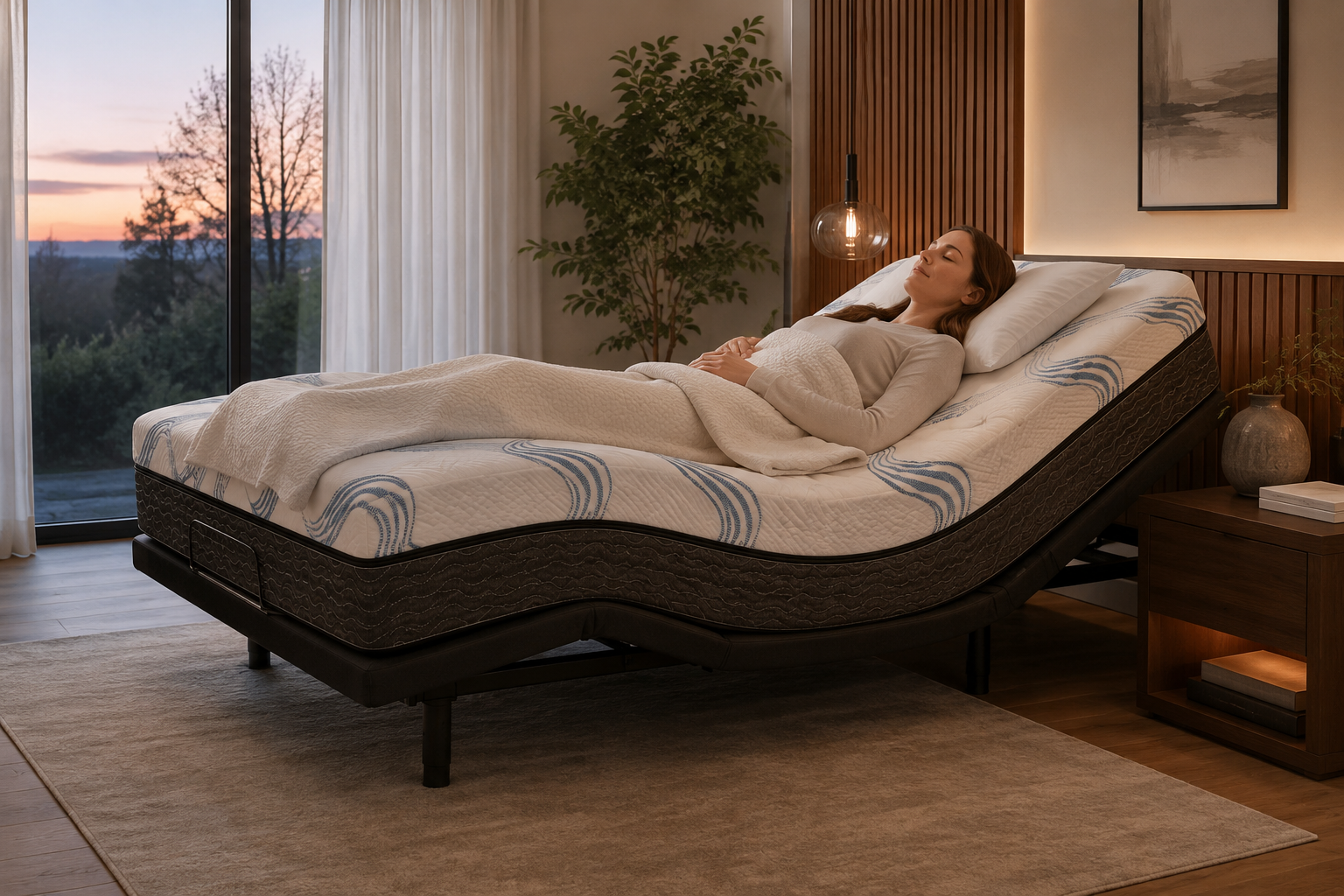
Zero Gravity Creates a Balanced Rest Position
Zero gravity sounds fancy, but the idea is simple. It raises your head and legs so your body does not feel pinned flat against the bed. That small shift can make rest feel more balanced, especially when your back, hips, or legs are usually the first to complain.
An air bed adds another layer of control because you can change the firmness after the base moves. That matters because your mattress can feel different once your body sits in a raised position. The adjustable foundation handles the lift, while the air bed helps your body settle into it.
This pairing gives you more than a new sleep angle.
It gives you a smarter way to build comfort that actually fits how your body rests.
Key Takeaways
- Zero gravity changes how your body rests, not just how high your head or legs sit.
- An air bed makes the raised position feel more personal because you can adjust the firmness after the base moves.
- The right setup can make comfort easier to repeat, rather than something you have to chase every night.
The Base Changes the Body Angle
Zero gravity comfort starts with the base, not the mattress alone. An adjustable foundation lifts the upper body and legs together, which helps the body rest in a more balanced shape instead of lying flat from head to toe.
A More Natural Resting Shape
Flat rest can leave the back, hips, and legs carrying pressure in the same places all night. A zero gravity position changes that shape, so the body feels less pressed into one straight line. This can make the bed feel more supportive without making the position feel stiff.
Upper and Lower Lift Work Together
Raising only the head or only the legs can make the body feel uneven. Zero gravity works because both areas move into a more matched position. The shoulders, hips, knees, and legs can settle into one smoother angle.
Firmness Can Match the New Position
Once the base changes the angle, the air bed can be adjusted to fit that raised setup. A firmness level that feels good flat may need a slight adjustment after the base moves. That extra control helps the position feel more personal and easier to relax into.
The Air Bed Adjusts to the New Position
A zero gravity position can change comfort in a way you feel right away. After the base raises your head and legs, the mattress may need a different firmness level than it did when flat. An air bed lets you fine-tune that feel so the raised position feels more natural.
This matters because lift alone does not always mean comfort. A setting that feels too soft can let the hips sink, while a setting that feels too firm can make the body feel pushed up. Adjustable air support helps the mattress work with the new angle, rather than having the body fight it.
Better rest comes from matching the bed to the position. The foundation handles the lift, and the air bed helps control the feel under your back, hips, and legs. Together, they make zero gravity feel more balanced, steady, and easier to settle into.
Pressure Moves Away From One Main Spot
Zero gravity can make the bed feel less harsh on one tired area. Instead of letting the hips, back, or shoulders take most of the pressure, the raised position spreads body weight more evenly. More of the body gets involved, so one spot does not feel stuck doing all the work.
Weight can feel different once the head and legs are both lifted. The body rests in a softer curve, which helps reduce that pinned-down feeling against the mattress. For many sleepers, this makes the position feel calmer and easier to hold.
Air bed firmness control adds more comfort to that raised setup. Softer or firmer support can help the mattress match the new body angle. Zero gravity then feels less like a preset position and more like a rest setting shaped around the body.
The Legs Get Lifted Without Pillow Shifting
Pillow support can seem fine until the legs start moving. A zero gravity setting lifts the lower body with the base, so the legs are not resting on soft pieces that slide around. The position feels cleaner because the support comes from the bed itself.
Knees and calves need more than a quick pillow fix. Loose pillows can leave gaps, create pressure spots, or flatten in the middle of the night. An adjustable foundation keeps the legs raised in a steadier shape, which helps the lower body feel more settled.
Air bed control makes that lifted position feel even more useful. The sleeper can adjust the firmness so the legs feel supported rather than pushed or sunk too low. This gives the lower body a smoother place to rest without rebuilding the setup every night.
Can Zero Gravity Help an Air Bed Feel More Customized?
Yes, zero gravity can make an air bed feel more customized by changing both the body angle and the mattress feel. The adjustable foundation lifts the head and legs into a more balanced position. The air chambers then let the sleeper choose a softer or firmer feel for that raised setup.
This gives the bed more ways to match the body. A flat mattress only offers one basic position, but zero gravity adds another layer of comfort control. With the right firmness, the air bed can feel more personal, more steady, and easier to settle into.
The Mattress Feel Can Change by Zone
Zero gravity can make an air bed feel different under each part of the body. The shoulders, hips, lower back, and legs all meet the mattress at a new angle once the base moves. That is where firmness control becomes useful because the sleeper can shape the feel around the raised position.
The best setup works when each area gets support that fits how it rests:
- Shoulders need gentle give: When the upper body is raised, the shoulders may press into the mattress in a new way. A softer feel can help reduce that tight, pushed-up feeling while still keeping the body supported.
- Hips need steady balance: The hips can sink too far if the air bed feels too soft in zero gravity. A small firmness change can help keep the hips from dropping out of line with the back and legs.
- Lower back needs filled-in support: A raised position can leave the lower back unsupported if the mattress does not conform to the body's shape. Adjusting the air bed can help that area feel more secure, rather than hollow or strained.
- Legs need support without pressure: The legs should feel lifted, not forced upward. Firmness control helps the calves, knees, and thighs rest against the mattress with a smoother feel.
Zero gravity works better when the air bed can adjust with the body instead of making every area settle for the same fixed feel.
The Setup Makes Comfort Easier to Repeat
Good comfort should not feel like luck. A zero gravity setting helps the body return to the same raised angle without stacking pillows or guessing where support should go. The adjustable foundation does the lifting, so the sleeper can settle in faster.
The air bed adds another part of the routine that can stay consistent. Once the firmness feels right, the sleeper can use that setting with the raised position again. This makes comfort feel easier to repeat because both the angle and mattress feel can work together night after night.
Balanced Rest Comes From Two Kinds of Control
Balanced rest takes more than lifting the head and legs. A zero gravity position works better when the bed can control both the angle and the feel under the body. The adjustable foundation sets the lift, while the air bed helps shape the support.
This matters because a raised position can feel different once the body settles in. The back, hips, shoulders, and legs may need a softer or firmer feel than they do on a flat mattress. Air bed firmness control helps the sleeper fine-tune comfort instead of getting stuck with one setting.
Better comfort comes from making both parts work together. The foundation moves the body into a calmer position, and the air bed helps that position feel steady. That mix gives the sleeper a more personal setup that feels easier to use night after night.
Find Better Rest With Zero Gravity
Zero gravity helps the body rest in a more balanced way. It lifts the upper body and legs together, so the sleeper does not feel stuck in one flat position. Air Bed Bargains makes this setup more useful by pairing the air bed and adjustable foundation for better control.
Keep reading to see how anti-snore positioning can help when flat sleeping is not working.

Anti-Snore Positioning Adds Another Option
Snoring has a way of turning bedtime into trial and error. One night, the pillows seem fine. The next night, they slide around, flatten out, or leave the neck in a strange position. Adjustable air beds give sleepers a cleaner way to change the setup without turning the bed into a pile of guesswork.
Air Bed Bargains gives shoppers a better path because the bed adjusts with the sleeper, rather than forcing the sleeper to work around it. A raised head position can change the feel of rest without making the whole routine more complicated. Firmness control also matters because comfort can shift once the upper body is no longer lying flat.
Here are the ways anti-snore positioning can give sleepers more control when flat sleeping keeps getting in the way.
Key Takeaways
- Raising the head from the base can create a smoother sleep angle than stacking pillows.
- An air bed helps the raised position feel more balanced because the firmness can still be changed.
- Anti-snore positioning gives back sleepers another option when lying flat keeps causing problems.
The Head Lift Starts From the Base
A pillow can raise the head, but it cannot lift the upper body the same way a base can. When an air bed sits on an adjustable foundation, the lift starts under the mattress instead of behind the neck. This helps the shoulders, back, and head move into a smoother raised position.
That smoother lift can make rest feel less cramped. The neck does not have to bend forward while the chest stays flat against the bed. The air bed can also be adjusted for firmness, so the raised position feels supported instead of stiff.
Better head lift comes from letting the bed do the work. The foundation changes the angle, and the air bed helps control how the body settles into it. This gives the sleeper a cleaner way to sit up, relax, or rest with the upper body raised.
Why Does Lying Flat Make Snoring Worse?
Lying flat can make snoring worse for some sleepers because the head, neck, and upper body stay level with the mattress. In that flat position, airflow may feel more blocked, especially when the throat and jaw relax during sleep. A raised head section can easily adjust the angle, without a shaky stack of pillows.
An air bed paired with an adjustable foundation makes that lift easier to control. The base raises the upper body, while the air bed lets the sleeper adjust firmness for a steadier feel. This gives the body a better chance to rest in a supported position instead of staying flat and fighting for comfort.
Small Angle Changes Can Make a Big Difference
A better sleep angle does not have to feel dramatic. For some sleepers, a small head lift is enough to make the body feel less flat and more open. An air bed paired with an adjustable foundation makes that easier because the sleeper can fine-tune the angle without stacking pillows too high.
Here are the small comfort details that can make anti-snore positioning feel easier to live with:
- Gentle lift feels more natural: A slight head raise can change how the upper body rests without making the sleeper feel propped up too high. This helps avoid the stiff, bent feeling that can happen when the angle is too steep.
- Less pressure on the neck: Overcorrecting with pillows can push the head forward and make the neck feel tight. An adjustable foundation lifts from below, so the upper body can rest at a smoother angle.
- Better control with the air bed: Once the head section is raised, the mattress may need a small firmness change. An air bed lets the sleeper adjust the feel so the raised position stays steady and comfortable.
- Easier changes through the night: Comfort needs can shift as the body settles. With an adjustable foundation, the sleeper can make a small change without rebuilding support or disturbing the whole bed.
Small angle changes work best when the bed gives the sleeper control over both lift and firmness.
The Air Bed Keeps the Raised Position Comfortable
Raising the head can change the way pressure feels across the body. More weight may settle near the hips, lower back, or seat area. An air bed helps smooth out that shift because the firmness can be adjusted after the base moves.
Comfort should not disappear just because the head section is lifted. A mattress that feels good flat may feel too soft or too firm when raised. Adjustable air support gives the sleeper a better chance to find a balanced feel.
This makes the elevated setup easier to use for real rest. The foundation creates the lift, while the air bed helps the body settle without strain. With the right firmness, the raised position can feel steady, calm, and easier to stay in.
The Position Stays Put After You Fall Asleep
Loose pillows can act supportive at first, then shift as soon as the body moves. While you sleep, the stack may flatten or slide away from the spot that was holding your head up. Soon, the raised angle can fade, and the body drifts closer to lying flat again.
Steady lift changes that whole problem. With an adjustable foundation, the head section stays raised because the base holds the position. The setup does not rely on pillows, blankets, or quick fixes that can fall apart during the night.
Air bed firmness control helps make the held position feel more comfortable. After the base sets the angle, the sleeper can adjust the mattress feel for better support under the body. This makes the anti-snore position easier to keep without turning comfort into another bedtime project.
Back Sleepers Get Another Option
Back sleeping can feel comfortable, but lying flat is not always the best fit. Some sleepers want a small change without rolling onto their side for the whole night. Raising the head on an air bed with an adjustable foundation gives them another way to rest.
This helps the bed feel less limited. The sleeper can stay on their back while changing the upper-body angle. Air bed firmness control can also help the raised position feel steady instead of stiff.
More options can make bedtime feel easier. Flat rest and side sleeping are not the only choices when the head section can lift. A small change in angle may help back sleepers feel more supported without changing how they like to sleep.
Shared Beds Need Flexible Control
Snoring can turn one person’s sleep problem into a shared problem fast. Still, both people in the bed may not want the same angle or the same mattress feel. An air bed with a compatible adjustable foundation gives couples more room to solve comfort without forcing one setup on both sleepers.
One side can lift while the other side stays flat when the foundation supports that kind of control. That means the sleeper who needs head elevation can change their position without pulling the other person along. Each person can rest in a way that feels more natural for their own body.
Firmness control adds another layer of comfort for shared beds. One sleeper may like a softer feel, while the other needs firmer support. With the right air bed setup, both sides can feel more personal, which makes the bed easier to share through the night.
The Setup Makes Trial and Error Easier
A better anti-snore position is often achieved through small changes rather than a single big fix. An air bed with an adjustable foundation gives the sleeper more ways to test comfort without tearing apart the whole sleep setup.
Small Changes Feel Less Frustrating
Pillow stacks make testing new angles feel messy because each change can shift the whole setup. An adjustable foundation lets the sleeper raise or lower the head section in a cleaner way. That makes it easier to notice which angle feels helpful and which one feels too high.
Firmness Can Match the New Angle
A raised head position can change where the body feels pressure on the mattress. The air bed lets the sleeper adjust firmness after the angle changes, so the body does not feel stuck on a surface that no longer fits. This matters because height and firmness work together to ensure comfort feels steady.
The Bed Can Adjust With the Sleeper
Comfort needs may change from night to night. Some nights may call for a slight lift, while others may feel better with a different firmness setting. This setup gives the sleeper room to adjust without having to start over with pillows, blankets, or guesswork.
A Better Angle With Adjustable Air Beds
Anti-snore positioning gives sleepers another choice when flat sleeping feels wrong. Air Bed Bargains makes that choice easier because the bed can raise the head and still let the sleeper adjust firmness. The result feels simple, steady, and easier to repeat.
Up next, see how memory settings can save the best setup so comfort doesn't have to start over each night.
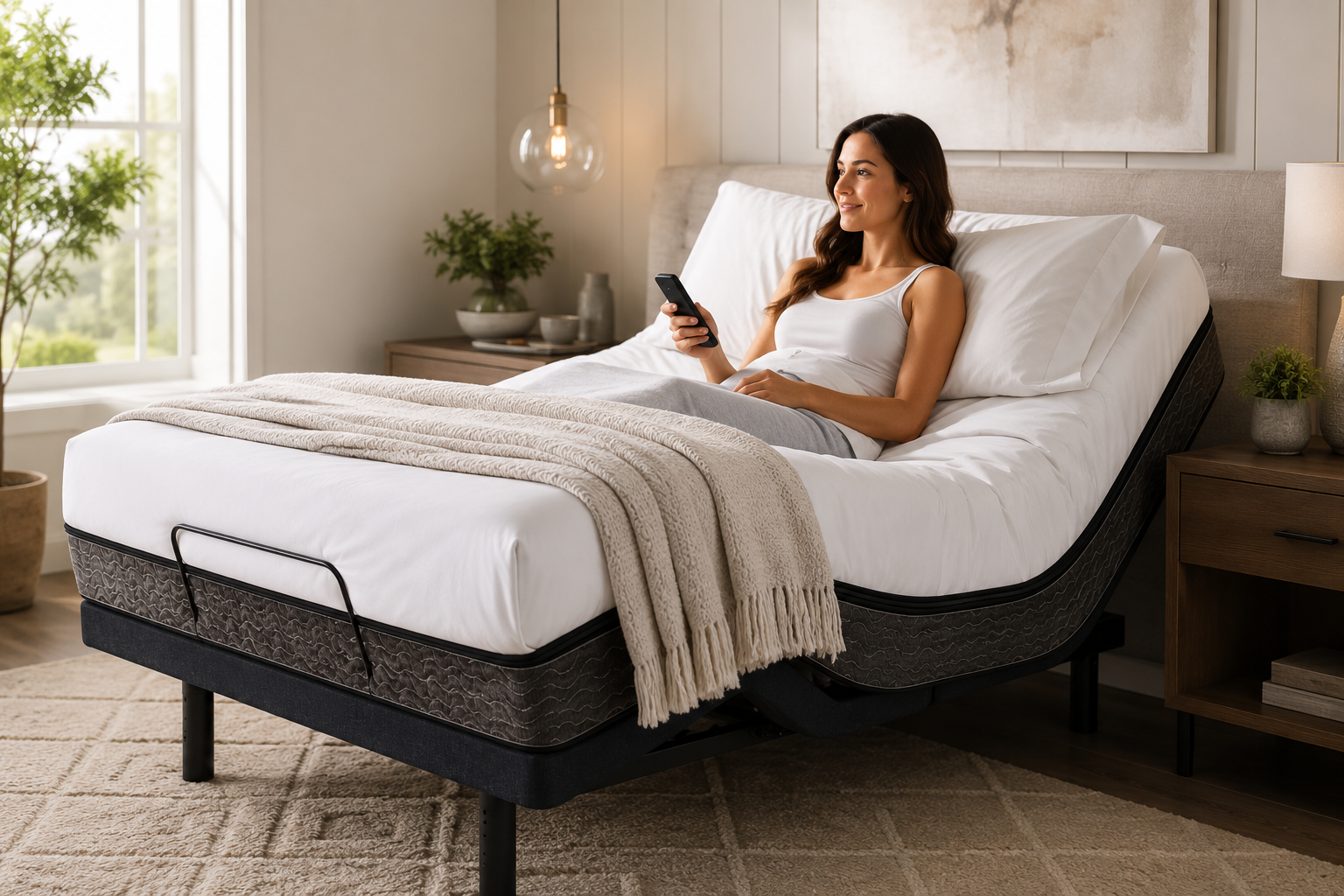
Memory Settings Save the Best Setup
Good sleep should not depend on getting every button press right night after night.
Memory settings save the best setup by helping sleepers return to the comfort they already know works.
Air Bed Bargains makes that kind of control feel simple, not fussy.
Adjustable air beds give people more ways to rest, but more options can also mean more second-guessing.
Saved settings help turn those choices into a routine that feels easier to trust.
Couples can also protect their own comfort without making bedtime feel like a debate.
Read on to see how memory settings make comfort easier to repeat.
Key Takeaways
- Memory settings make comfort easier to repeat without starting over every night.
- Saved positions help firmness, lift, and body support work together better.
- Couples can keep their own comfort settings without turning bedtime into a guessing game.
The Best Setting Should Not Be a Lucky Guess
A good sleep position should not feel like something you have to find all over again. When the head lift, leg angle, and mattress feel finally work well together, memory settings help keep that comfort within reach. One saved setup can make bedtime feel calmer because the bed already knows what felt right.
Small changes can make a bigger difference than people expect. A little extra lift under the head may feel too high, while a small shift in the legs can change how the back or hips rest. Memory settings help avoid that nightly guessing game by bringing the bed back to a position that already worked.
This makes an adjustable air bed feel easier to live with. Instead of tapping buttons and hoping the comfort lands right, the sleeper can return to a familiar setup faster. Better rest starts to feel more like a routine and less like trial and error.
Couples Get Less Nightly Friction
Sharing a bed gets easier when comfort does not have to be discussed every night. One person may like more head lift, while the other may want a flatter feel with softer support. Memory settings help each sleeper return to their own setup without turning bedtime into a back-and-forth.
Personal comfort matters more when two people use the same bed in different ways. Saved settings can keep each side more consistent, so neither person has to give up the position that helps them relax. That makes the bed feel more flexible without making the routine feel complicated.
A smoother night often starts before anyone falls asleep. When each person can return to the comfort they already chose, there is less button-pressing and less frustration. The bed becomes easier to share because both sleepers have a setup that feels like their own.
The Right Setup Gets Easier To Trust
Sleep comfort feels less confusing when there is a setting you can count on. A saved position gives the body a familiar place to start each night. Instead of changing the bed at random, the sleeper can return to what already felt good.
That comfort baseline makes small changes easier to understand. If the head lift feels too high or the firmness feels too soft, the sleeper knows what changed. The bed becomes less of a guessing game because every adjustment has a clear starting point.
Over time, memory settings can make an adjustable air bed feel more natural to use. The sleeper learns which mix of lift and firmness helps them settle in faster. Trust builds when the bed can bring back that same comfort again and again.
Small Changes Stop Feeling So Annoying
Tiny position changes can feel like a big deal when the bed finally feels right. Memory settings help protect that comfort, so one small adjustment does not erase the setup that worked.
Comfort Does Not Get Lost So Easily
A slight head lift or leg shift can change how the whole body feels on the mattress. Without a saved setting, the sleeper may keep tapping buttons and hoping the bed lands in the right spot again. Memory settings make it easier to return to the position that felt steady, calm, and worth keeping.
Different Bedtime Habits Get Their Own Setup
Reading, watching TV, relaxing, and sleeping may each feel better with a different angle. A saved setting helps the sleeper move between those uses without treating every change like a fresh search. The bed starts to feel more useful because it can support real evening habits, not just one flat sleep position.
Small Adjustments Feel More Controlled
When a favorite setting is saved, trying a new angle feels less risky. The sleeper can test a little more lift or a little less firmness without worrying about losing the original comfort. That makes the adjustable air bed feel easier to use because every change has a safe place to return to.
Can an Adjustable Foundation Save My Favorite Sleep Position?
Yes, an adjustable foundation can save your favorite sleep position when it has memory settings. The bed can store the head and leg angles you use most, so you do not have to find them again each night. This makes your favorite setup easier to reach without extra button pressing.
Pairing that foundation with an air bed gives the setup even more comfort control. The saved position can work with the firmness level that feels best for your body. Instead of guessing your way back to comfort, you can return to a setup that already feels right.
Firmness Has a Better Starting Point
Air bed firmness can feel very different once the head or legs are raised. A setting that feels right on a flat mattress may feel too soft, too firm, or uneven in a lifted position. Memory settings help because the bed can return to the same base angle before firmness changes begin.
Starting from the same position makes each comfort change easier to understand. If the body feels too low, the sleeper can adjust the air bed without worrying whether the angle has changed. If the support feels stiff, the sleeper has a clearer idea of what needs fixing.
Saved settings make comfort feel more controlled instead of random. The foundation brings the body back to a trusted position, then the air bed can be fine-tuned from there. Better firmness starts with a setup that stays consistent enough to learn from.
The Bed Learns Your Real Habits
The first night with an adjustable air bed is usually just a starting point. Real comfort shows up after you read in bed, watch a show, deal with a sore back, or try a different leg angle. Memory settings let you save the setup that proves itself during normal use.
Every sleeper has habits that a flat bed cannot always support. Some nights call for more head lift, while others feel better with a softer air bed setting and a slight leg raise. Saved settings help the bed match those patterns, rather than forcing the same position every night.
Over time, the bed starts to feel less like a machine and more like part of the routine. The sleeper can return to the angles and firmness levels that fit how they actually rest. Comfort becomes easier to repeat because it is based on real habits, not first-night guesses.
Memory Settings Are a Game Changer For Your Sleeps
Memory settings make comfort feel easier because the bed remembers what your body already likes. Air Bed Bargains helps sleepers pair an air bed with an adjustable foundation that turns better rest into a simple routine. Once the right setup is saved, bedtime feels less like a guessing game and more like a reset button.
In the next section, see why quiet controls can make nighttime adjustments feel smoother, easier, and far less annoying.

Quiet Controls Matter at Night
Comfort should not come with a midnight sound effect. Quiet controls help an air bed feel easier to use in a dark, calm, quiet room.
Air Bed Bargains gives shoppers a better way to think about comfort beyond firmness alone.
Small changes can matter more at night than they do during the day. A smoother setup can help light sleepers, couples, and restless sleepers adjust without turning the moment into a bigger problem.
Good control features make the whole bed feel less like equipment and more like part of a simple sleep routine.
Key Takeaways
- Memory settings make it easier to return to the comfort that already worked, instead of guessing your way back each night.
- Saved head, leg, and firmness settings help the bed feel more consistent as your body changes positions.
- Couples can keep their own comfort preferences without turning bedtime into a nightly debate.
Small Sounds Can Break Sleep Fast
A quiet room makes every little sound feel bigger. When an air bed adjusts quietly, the sleeper can make comfort changes without turning a minor adjustment into a full wake-up.
Light Sleepers Notice the Small Stuff
Light sleepers can wake from sounds other people barely hear. A quick buzz, click, or rough movement can pull the brain out of rest before the body is ready. Quiet controls help the bed stay in the background, where it belongs.
Night Adjustments Feel Less Disruptive
Comfort needs do not always wait until morning. A sleeper may need a small firmness change or a slight position shift in the middle of the night. When the controls respond smoothly, that change feels simple instead of jarring.
Shared Beds Stay Calmer
One person’s adjustment can easily disturb the other side of the bed. Quiet air bed controls help reduce the chance of waking a partner during a late-night change. That makes the bed feel easier to share, especially when both people sleep differently.
Couples Need Quiet Side Changes
Sharing a bed gets easier when one person can adjust without waking the other. Someone may need more head lift, a lower leg position, or a small firmness change after their partner is already asleep. Quiet controls help that change stay personal instead of turning into a problem for both sides.
This matters when couples have different sleep habits. One sleeper may settle in early, while the other keeps shifting until the bed feels right. A quieter air bed setup makes those late changes feel smoother, calmer, and easier to live with.
Late-Night Changes Should Feel Simple
Half-asleep comfort changes should not feel like solving a puzzle. When the bed needs a small adjustment, the controls should be easy to find and simple to use. Clear buttons can help the sleeper make the right move without fully waking up.
A wireless remote or app can make the moment feel smoother. The sleeper can lift the head, change firmness, or adjust the bed without sitting up or turning on a bright light. That keeps the room calmer and helps the body stay in rest mode.
Simple controls matter because every extra step can make it harder to return to sleep. A quiet, easy air bed setup lets the sleeper fix the problem and settle back down faster. Comfort feels better when the bed responds without making the night feel interrupted.
Smooth Movement Feels Less Startling
A bed should not jerk you awake when all you wanted was a small change. Smooth movement lets the base shift slowly, so your body can follow the new angle without tensing up. This makes head lifts, leg raises, and small position changes feel calmer at night.
Gentle motion matters even more when the room is quiet, and your body is already close to sleep. A softer adjustment helps the bed feel controlled instead of sudden. The right air bed setup should move in a way that supports rest, not one that makes you start over.
Better Sleep Starts When Quiet Controls Matter at Night
Quiet controls may seem like a small detail until one loud adjustment wakes the whole room. Air Bed Bargains helps shoppers look beyond basic comfort and think about how the bed actually feels during real nights, half-asleep moments, and shared sleep. A quieter, smoother setup makes comfort feel easier instead of turning every adjustment into a disruption.
Choose an air bed from Air Bed Bargains and give yourself the kind of comfort that works quietly, moves smoothly, and helps you get the rest you deserve.
m