
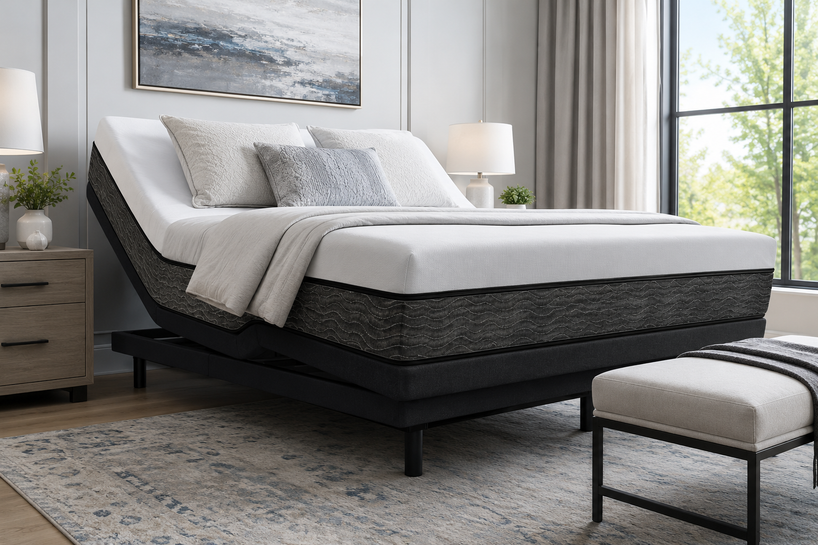
Sleep can fall apart when your bed no longer fits your body. The best luxury air mattress gives you more ways to shape comfort around how you rest. Better support and easier adjustments can make bedtime feel less frustrating.
Air Bed Bargains offers quality air mattresses for people who want more control without making sleep feel complicated. A better bed can support different sleep styles, changing comfort needs, and couples who want their own settings. Small changes can make the whole sleep setup feel more personal from the first night.
Learn more about how an air bed upgrade can improve your sleep almost instantly.
Key Takeaways
- An adjustable air bed lets your body call the shots instead of forcing it into one fixed feel.
- Better firmness, lift, and support can ease pressure where your sleep often breaks down.
- Couples and restless sleepers gain more control without rebuilding the whole bed.
Custom Support Replaces Guesswork
One fixed mattress setting can leave your body fighting for comfort all night. An upgraded air bed gives you more control over how the surface responds as your needs change.
Your Sleep Position Gets Better Support
Side sleepers often need more give near the shoulders and hips. Back sleepers may feel better with steady support under the lower back. Adjustable settings help each sleep style find a more natural position.
Daily Body Changes Are Easier to Handle
Your comfort needs can shift after exercise, travel, or a long day at work. A setting that felt good yesterday may feel too soft or firm tonight. Quick changes help the bed keep up with how your body feels.
Pressure Stays More Even Across the Bed
Uneven support can place too much force on one part of the body. Better air control helps spread your weight across a wider area. This can reduce the need to toss and turn while searching for relief.
Small Adjustments Make a Big Difference
Large firmness changes are not always needed. A slight increase or decrease can improve how your body settles into the bed. Easy controls let you test each setting until the surface feels right.
Can an Air Bed Reduce Pressure Points?
Proper air support can take strain off sore areas during the night. A gentle setting gives the shoulders and hips room to rest without hard pushback. Added firmness can stop the middle of the body from dropping too deep.
Sleep position changes where pressure builds. Side sleepers often feel it near the hips and upper arms, while back sleepers may notice it near the lower spine. Adjusting the bed helps spread body weight across more of the surface.
Comfort often improves when the mattress holds the body in a steady line. Fewer sore spots can make it easier to stay still and rest longer. The best setting feels supportive without creating new pressure.
Firmness Reveals Hidden Comfort Problems
Discomfort does not always mean the whole mattress feels wrong. Uneven sinking can place extra strain on one area of your body. Finding the right air level helps reveal where support starts to break down.
Extra sink near the hips can pull your back out of line. Too much lift under the shoulders can create tension near the neck. Testing small firmness changes helps you spot the setting causing the problem.
Nightly comfort needs can shift after a long day or hard workout. Quick adjustments let the surface respond without replacing the whole bed. Better balance helps your body rest with less strain and fewer sore spots.
Nightly Changes Stop Ruining Rest
Physical strain can change what feels comfortable at bedtime. Hours spent lifting, driving, standing, or working out may leave certain muscles needing more support. One fixed surface cannot respond to those shifts.
Adjustable air lets the bed match how you feel each evening. Extra lift can steady a tired back, while a gentler feel can reduce stress around tender areas. A quick change may help you relax sooner.
Daily life should not decide whether you sleep well. Flexible settings give you a practical way to handle changing comfort needs without buying another bed. Better control helps protect your rest when your body has had a harder day.
Tiny Adjustments Create Big Relief
A small setting change can solve a problem that feels much bigger. Slightly softer support may ease stress near a sore hip. A little more air can give the waist the lift it needs.
Your whole bed does not need to feel different for one area to improve. Fine-tuning lets you target the spot causing the most trouble. This makes comfort easier to reach without starting over.
Minor changes also help you learn what your body prefers. One level may work after a long day, while another may feel better after exercise. Simple control gives you more ways to rest with less strain.
Side Sleepers Gain Shoulder Space
Side sleeping puts more pressure on the shoulder and hip than other sleep positions. A firm surface can hold those joints too high and make the body twist. Adjustable air support creates more room for the shoulder while keeping the middle of the body steady.
The right setup helps each part of the body settle into a better position:
- Shoulder Sink: A softer area allows the shoulder to move into the bed rather than taking all the pressure. This can reduce the urge to roll over again and again.
- Waist Support: The waist needs enough lift to keep the spine from bending toward the mattress. Good support fills the gap between the ribs and hips.
- Hip Balance: The hip should sink without dropping far below the rest of the body. A balanced setting spreads pressure across more of the sleep surface.
- Neck Position: Better shoulder space helps the head rest at a more natural height. This makes it easier for the pillow to support the neck without pushing it too high.
A well-adjusted air bed helps side sleepers rest with less pressure and better balance.
Back Sleepers Avoid Deep Hip Sink
Hips that drop too far can leave the lower spine under stress. The body may arch as the chest and legs stay higher than the middle. Firmer air under the center helps keep the sleep surface more even.
Better lift lets the back relax instead of holding a strained curve. It also keeps more body weight across the mattress instead of pushing it into one low spot. This steadier position can make it easier to stay still through the night.
Waking up sore may be a sign that the middle of the bed needs more support. A small firmness change can raise the hips without making the mattress feel stiff. Back sleepers often rest better when the torso stays level.
Stomach Sleepers Protect Their Midsection
Sleeping face down can place extra strain on the waist and lower back. Excess sink near the hips can pull the spine into a deep curve. Adjustable air helps hold the middle of the body in a steadier position.
Stronger support under the midsection keeps the pelvis from dropping too far. Gentle cushioning near the chest can still keep the surface comfortable. This mix helps the body stay flatter without making the bed feel hard.
Morning aches may point to a setting that lacks enough lift. Slight firmness changes can help the hips stay closer to the upper body. Stomach sleepers gain a more stable base that supports easier rest.
Weight Shifts No Longer Change Everything
Body changes can affect how deeply you sink into the bed. An old mattress may start to feel too soft or too firm as your weight shifts. Air control lets the surface respond without forcing you to buy a new bed.
Extra weight may call for more lift through the center. Weight loss may make a gentler setting feel more comfortable. Easy changes help the mattress keep pace with your body.
Comfort does not have to disappear when your size changes. Quick firmness updates can restore support where you need it most. A flexible air bed gives you a sleep setup that can grow with you.
Couples Escape the Middle Ground
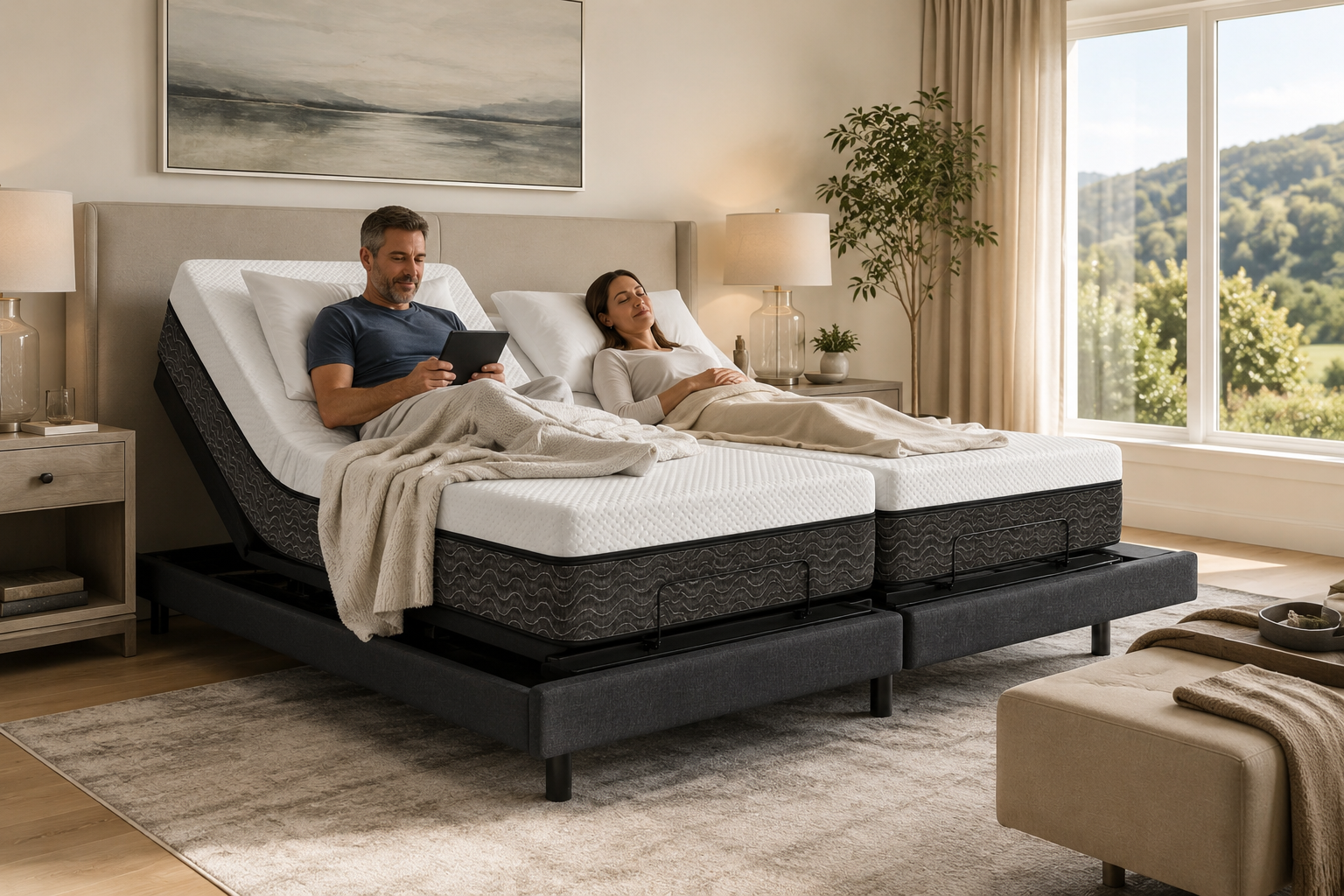
Shared sleep should not force both people into the same comfort setting. Dual controls give each side of the bed its own feel, so neither partner has to settle.
Each Side Responds on Its Own
Pressure on one side does not need to change the feel on the other. Separate air chambers let both sleepers adjust without affecting their partner. This setup works well when body size and sleep habits are different.
Nighttime Changes Stay Personal
One partner may need more support after a long day, while the other prefers a softer surface. Individual controls make those changes simple and private. Both sleepers can update their side without starting a new debate.
Better Comfort Can Reduce Disturbance
Poor support often leads to tossing, turning, and frequent position changes. A personal setting can help each person settle faster and move less. Fewer movements may help both partners sleep with fewer interruptions.
Restless Movement Loses Its Trigger
Frequent turning can start when one area never feels settled. Pressure may move from the hip to the shoulder as the sleeper changes sides. Adjustable air helps create a surface the body can stay on longer.
Even support reduces the need to keep hunting for a better position. One careful change can ease a problem spot without making the rest of the mattress uncomfortable. Fewer weak areas help the body relax more fully.
Nighttime motion often drops when comfort stays steady. Longer stretches in one position can lead to deeper, smoother rest. A well-set air bed helps break the cycle before it keeps you awake.
Head Elevation Fixes the Pillow Problem
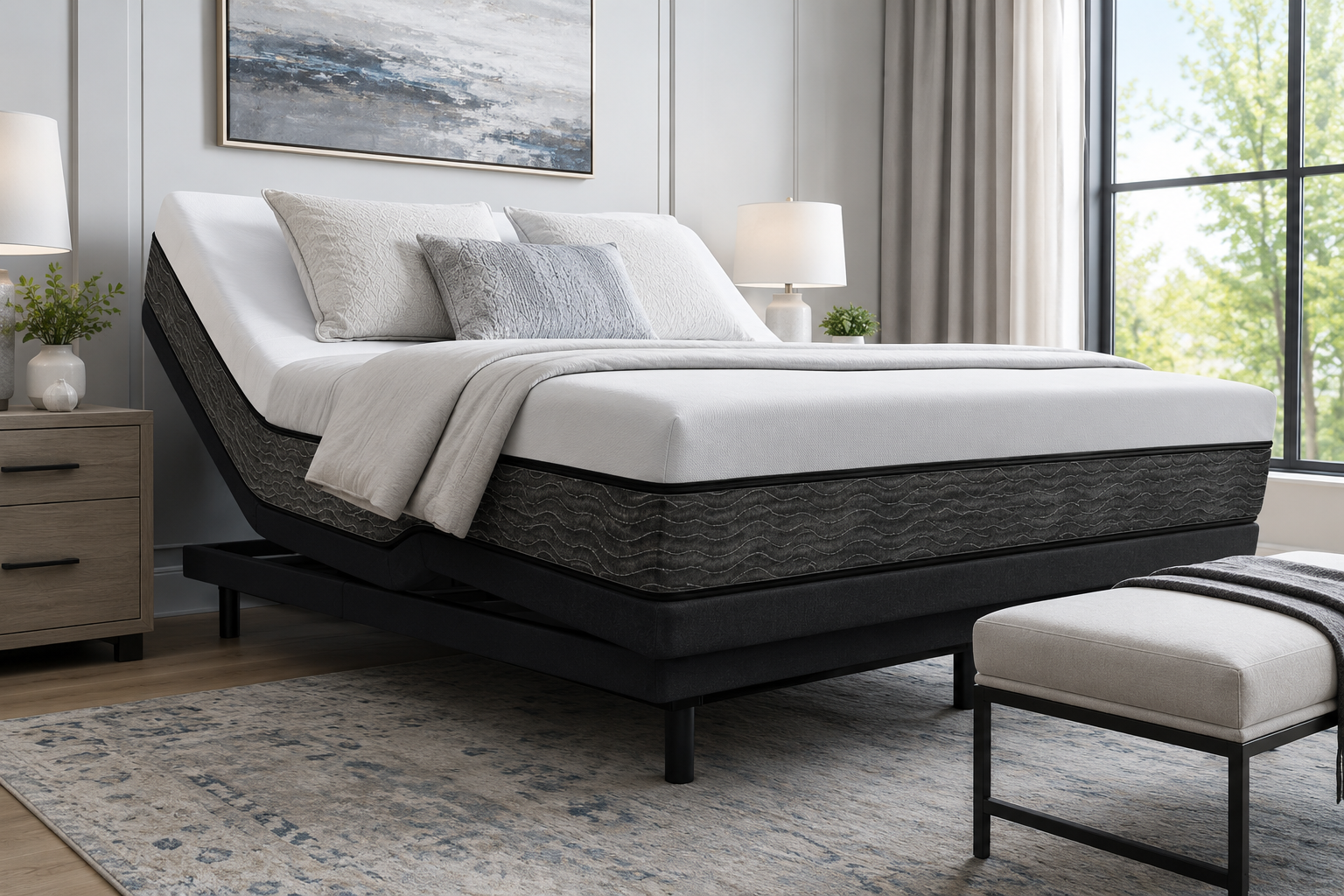
Stacked pillows can bend the neck at an awkward angle. Raising the mattress supports the head, shoulders, and upper back together. This smoother lift helps the body rest in a more natural line.
Neck strain often grows when the head sits too far forward. An adjustable foundation spreads the rise across a larger area. Proper support can feel more stable than a pile of pillows.
Bedtime setup also becomes easier with fewer pillows to move. The upper body stays supported even when you shift during the night. Gentle elevation can make rest feel more comfortable and less forced.
Leg Lift Supports More Than Knees
Elevating the legs changes how your lower body rests on the bed. Heels, calves, thighs, hips, and the lower back share the load more evenly. This wider support can feel steadier than one pillow under the knees.
Loose pillows often slide out of place during the night. A raised foundation keeps both legs supported from end to end. Better contact with the mattress can reduce strain in spots that carry too much weight.
Pressure also moves away from one small area and spreads across more of the body. Your hips and lower back can relax as the legs stay gently lifted. A smooth leg rise can make the whole sleep position feel more secure.
Lower Back Relief Gets More Specific
Back strain can come from more than one part of the sleep setup. Firmness affects how the hips rest, while leg lift changes the angle of the lower body. Pairing both controls gives you more ways to ease the area causing trouble.
Here are the key changes that can shape lower back comfort:
- Center Support: Added air under the middle can keep the pelvis from falling too low. This reduces the deep bend that often places stress on the lower spine.
- Leg Position: A gentle rise under the legs can shorten the pull through the hips and back. This position may help tight muscles release during rest.
- Weight Spread: Better contact across the mattress keeps one small area from carrying too much force. More even support can make the lower body feel calmer and more stable.
- Personal Testing: Changing one control at a time makes it easier to notice what helps. You can then build a setting around the exact problem instead of guessing.
Targeted changes give your lower back a setup that fits the way your body rests.
Memory Settings Save Proven Comfort
Saved positions take the work out of getting ready for sleep. Head and leg angles return to the same place with one press. Your body can settle into a familiar setup without another round of changes.
A proven position also makes bedtime feel more steady. You do not need to remember the exact height or stop the base at the right moment. The bed handles those steps for you.
Daily comfort becomes easier when your best setup is always ready. Memory controls also help after reading, resting, or changing positions. One saved setting brings you back to the feel that already works.
Sleep Better With the Best Luxury Air Mattress
A better air bed gives you more control over your comfort. Air Bed Bargains offers quality options for different sleep needs. The right upgrade can help you rest better from the first night.
Frequently Asked Questions
How quickly can an air bed upgrade feel different?
Many sleepers notice a change on the first night because they can adjust the bed right away. Better firmness and support can help the body settle faster.
What air bed features help restless sleepers?
Adjustable firmness, head lift, leg lift, and memory settings give restless sleepers more control. These features help reduce the need to keep shifting for comfort.
How do memory settings improve an air bed?
Memory settings save a position that already feels good. Sleepers can return to the same setup without pressing several buttons each night.
When should you replace a traditional mattress with an air bed?
An upgrade may help when an old mattress has deep dips, weak edges, or poor support. An air bed gives you more ways to adjust comfort as your needs change.
What should you look for in a luxury air mattress?
Look for steady edge support, quiet controls, separate firmness settings, and a strong adjustable base. These features make the bed easier to use and more comfortable over time.